Writing this post-initial-workshop, below are initial notes on the session along with scans of the participant outputs and documentation photos.
Notes
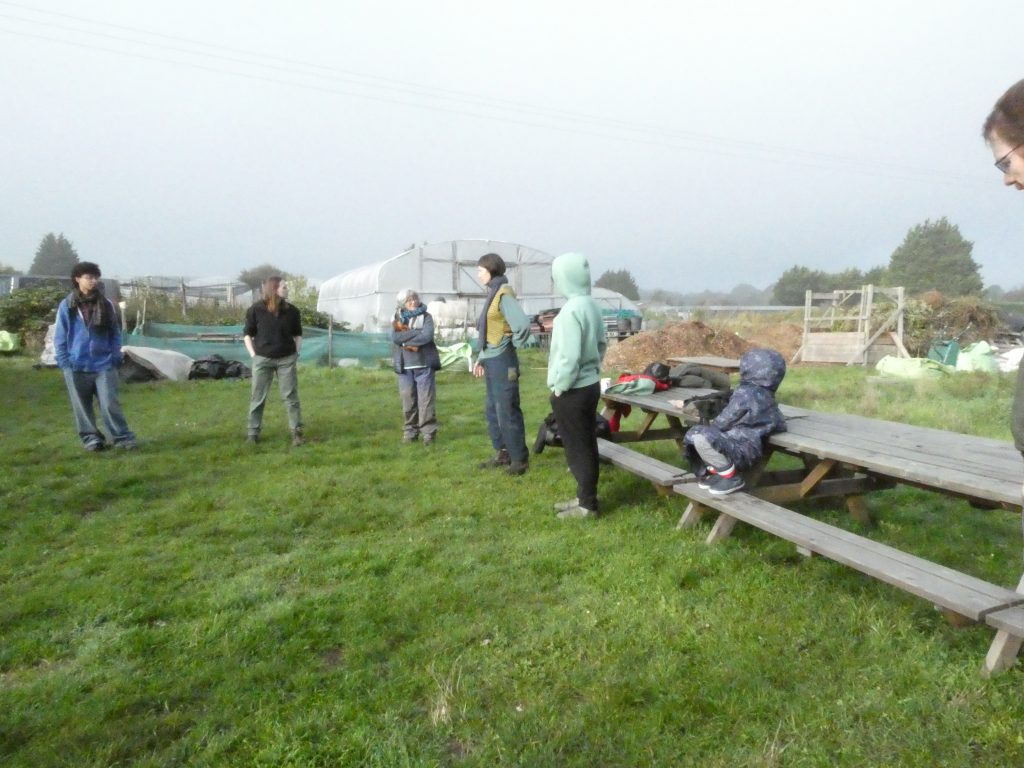
Generally a good feeling about the workshop, eleven people showed up, from 8 years old to 77 and a good mix of regular volunteers and locals who can’t do regular volunteering. Most of the volunteers were from crop production or biodiversity projects, so already with a connection to the growing and outdoor spaces. Was amazing to see the cross generational chat, it generally seemed like a positive environment for people to encounter one another.
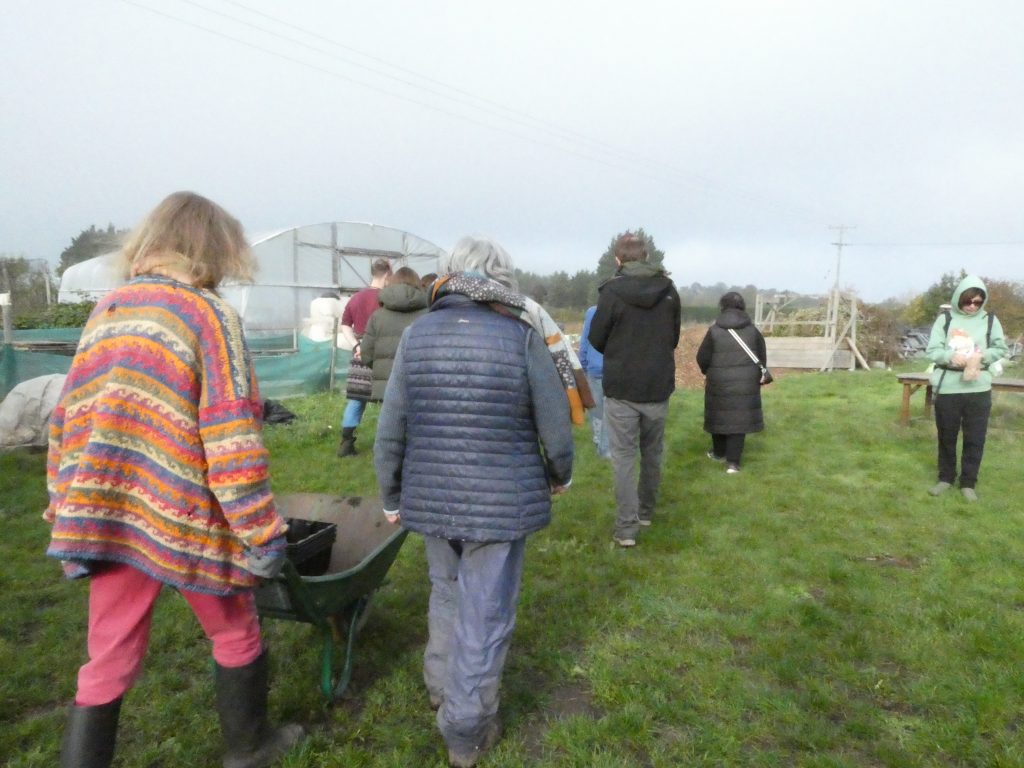
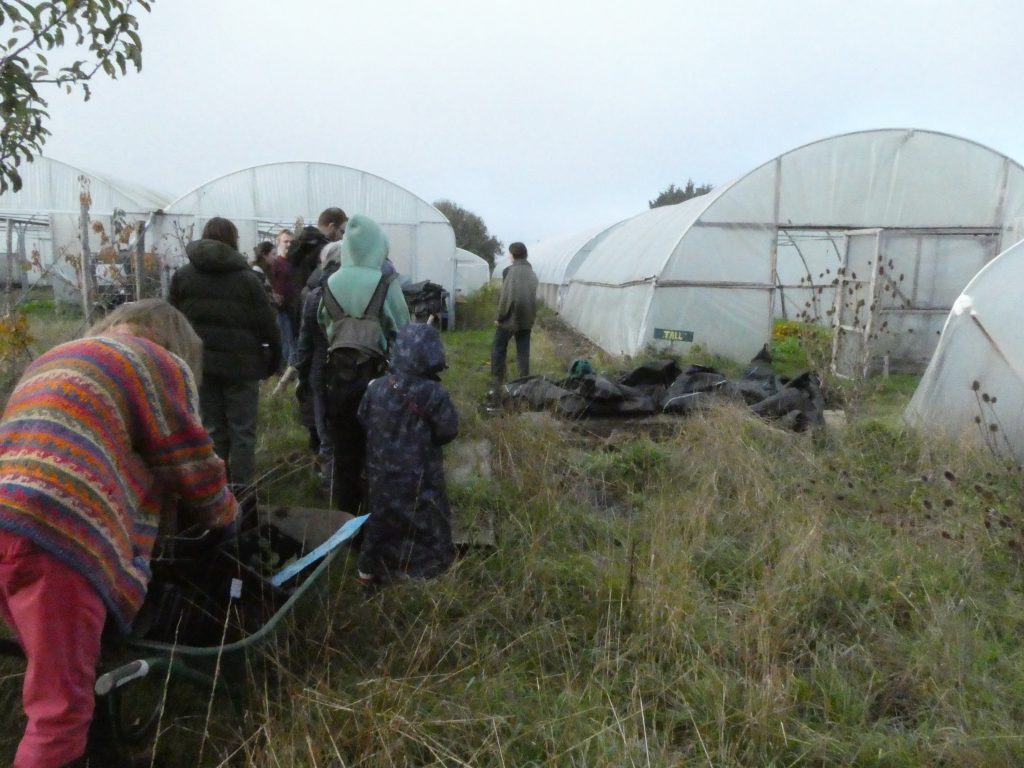
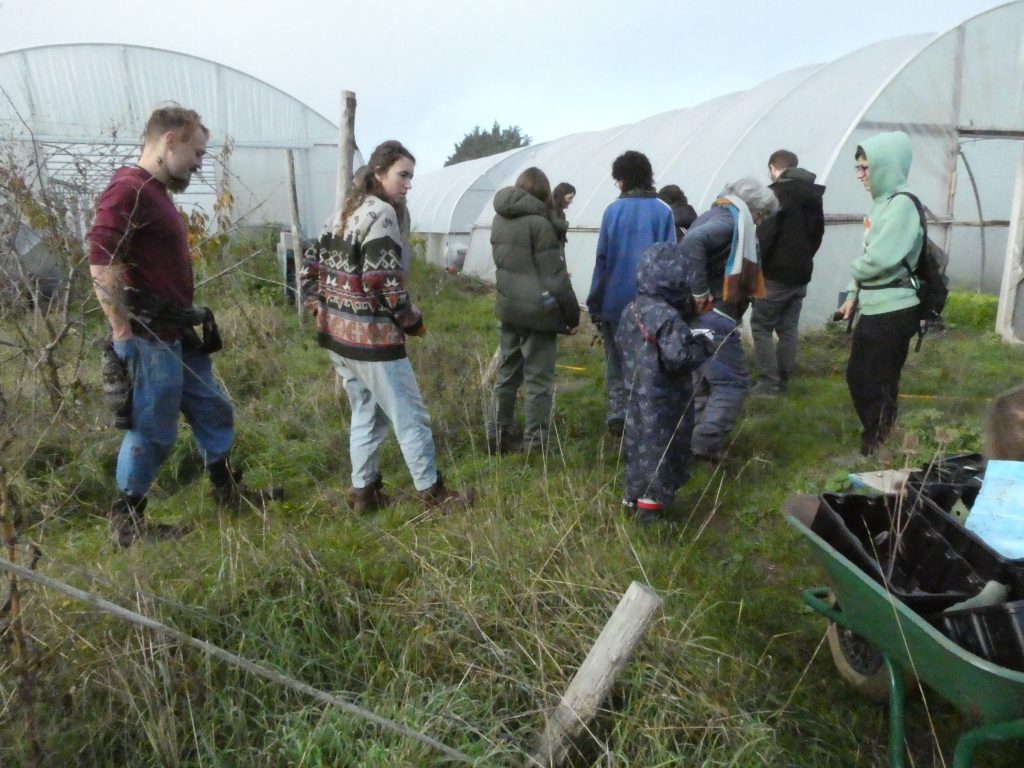
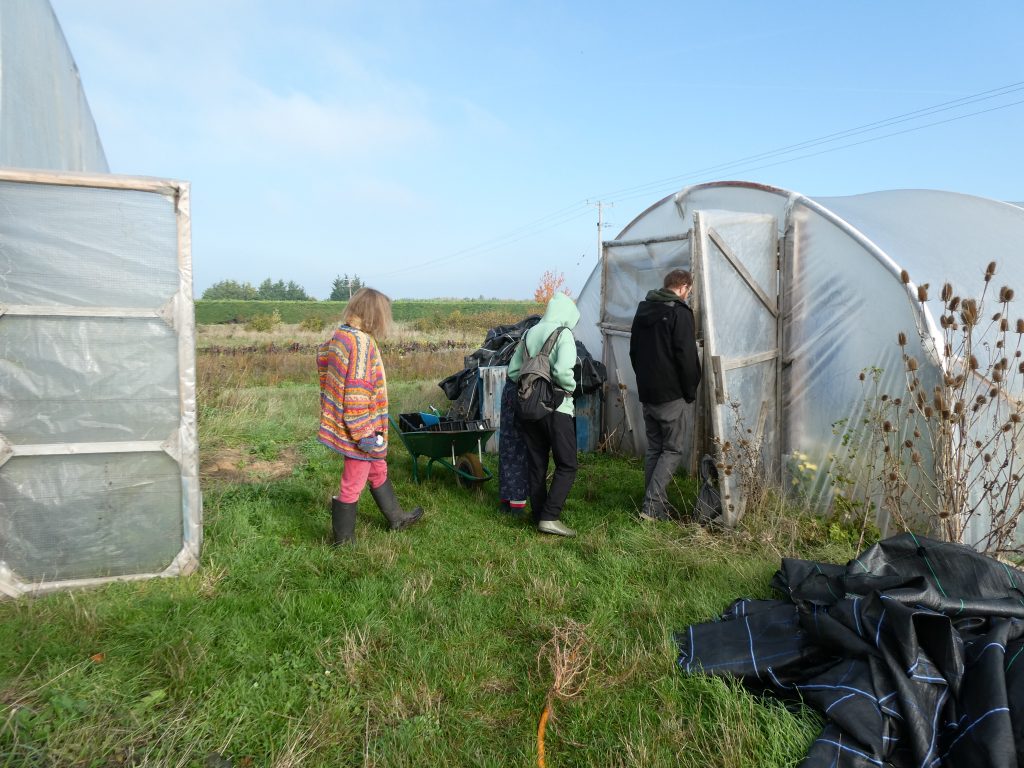
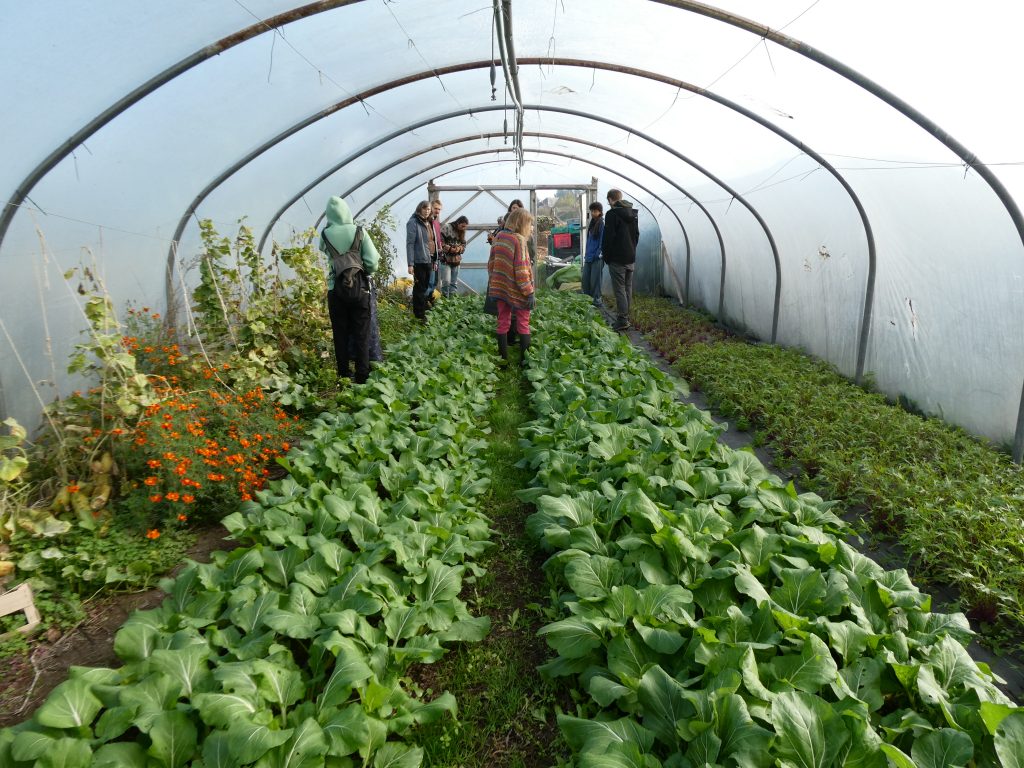
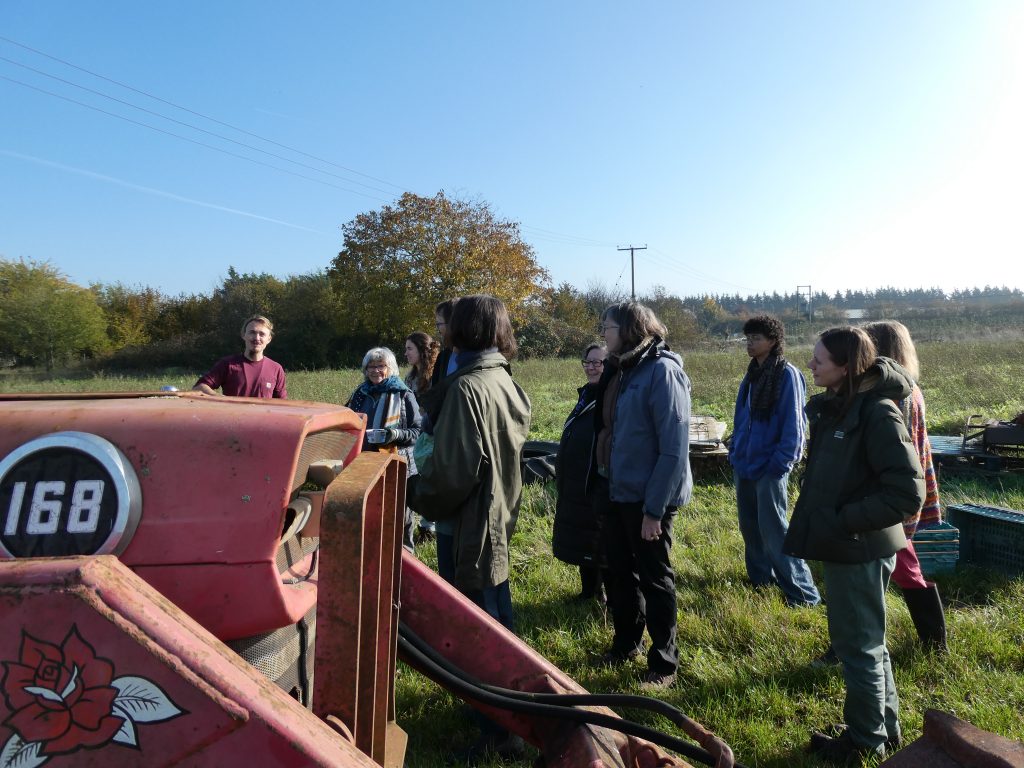
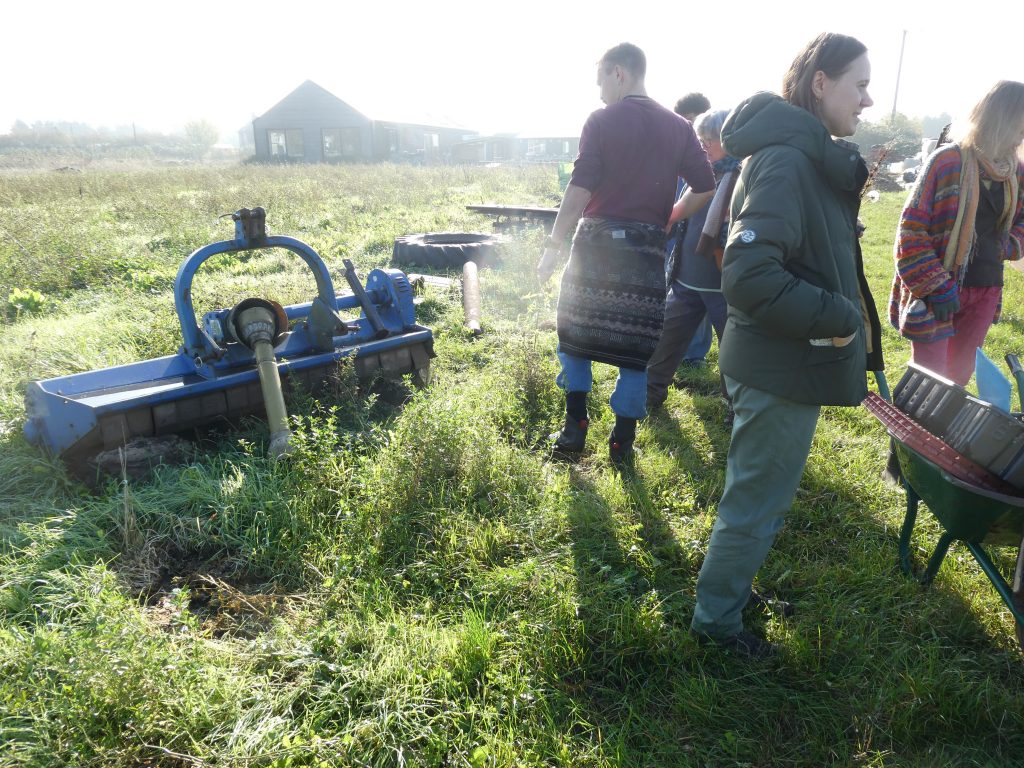
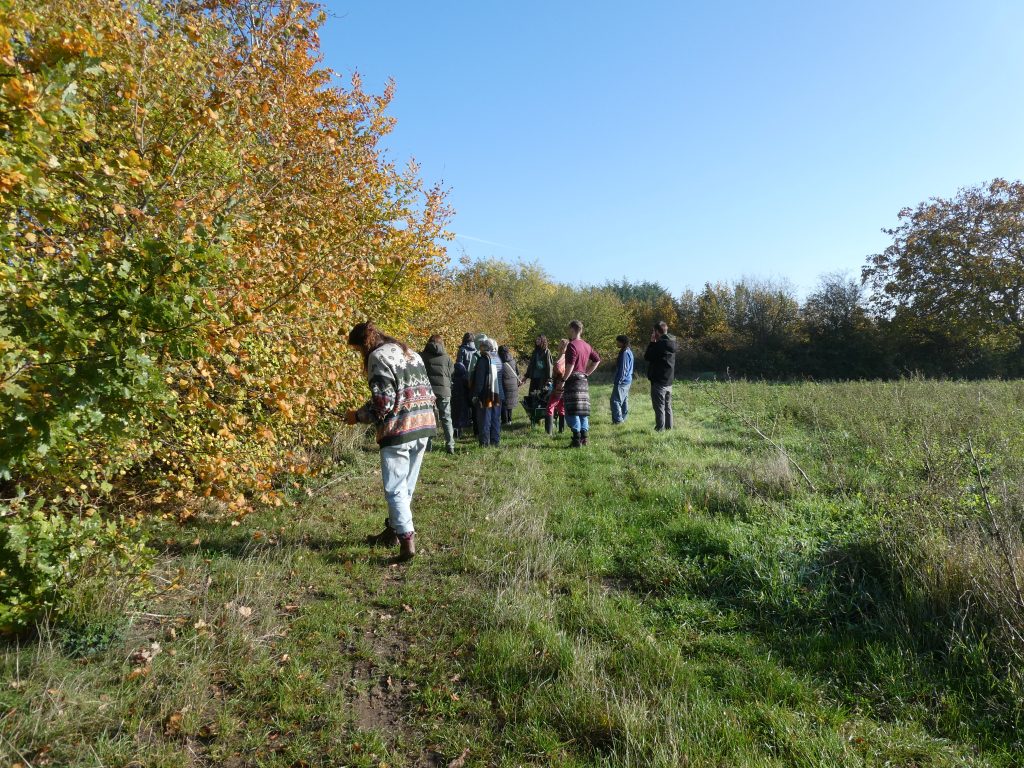
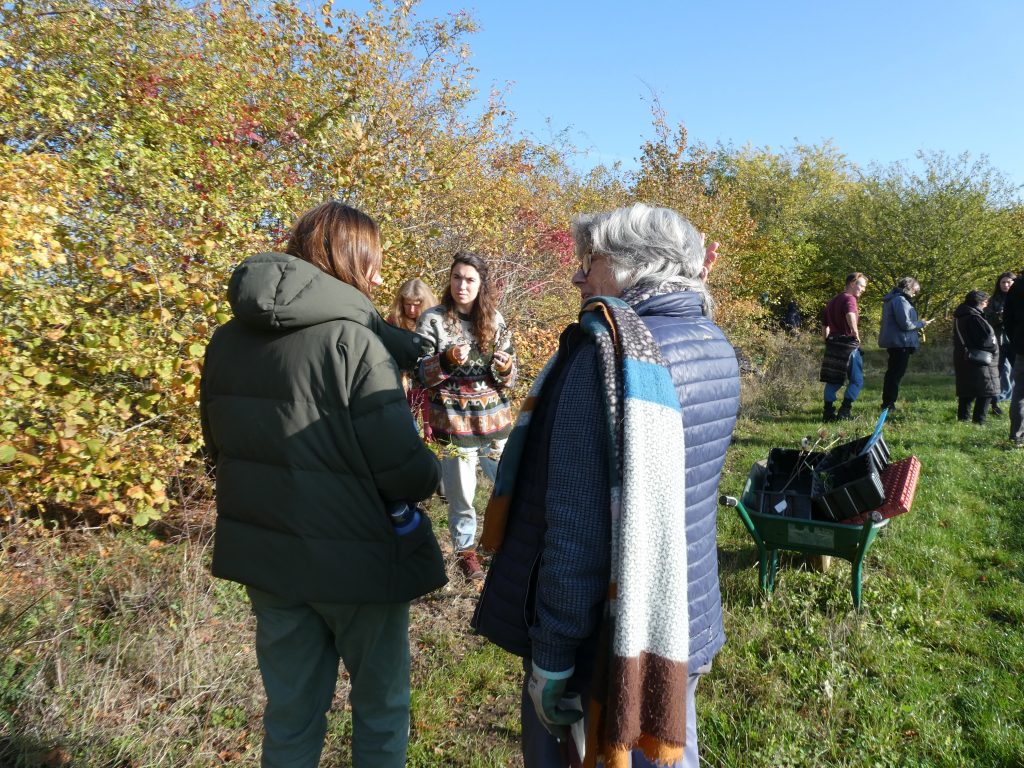
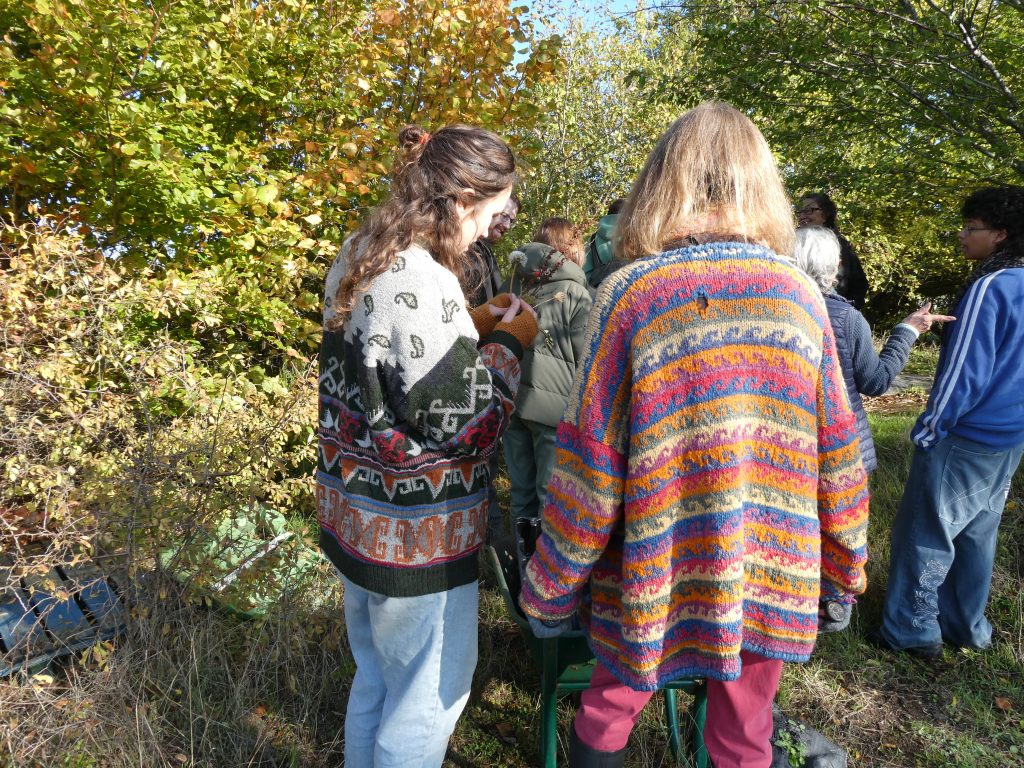
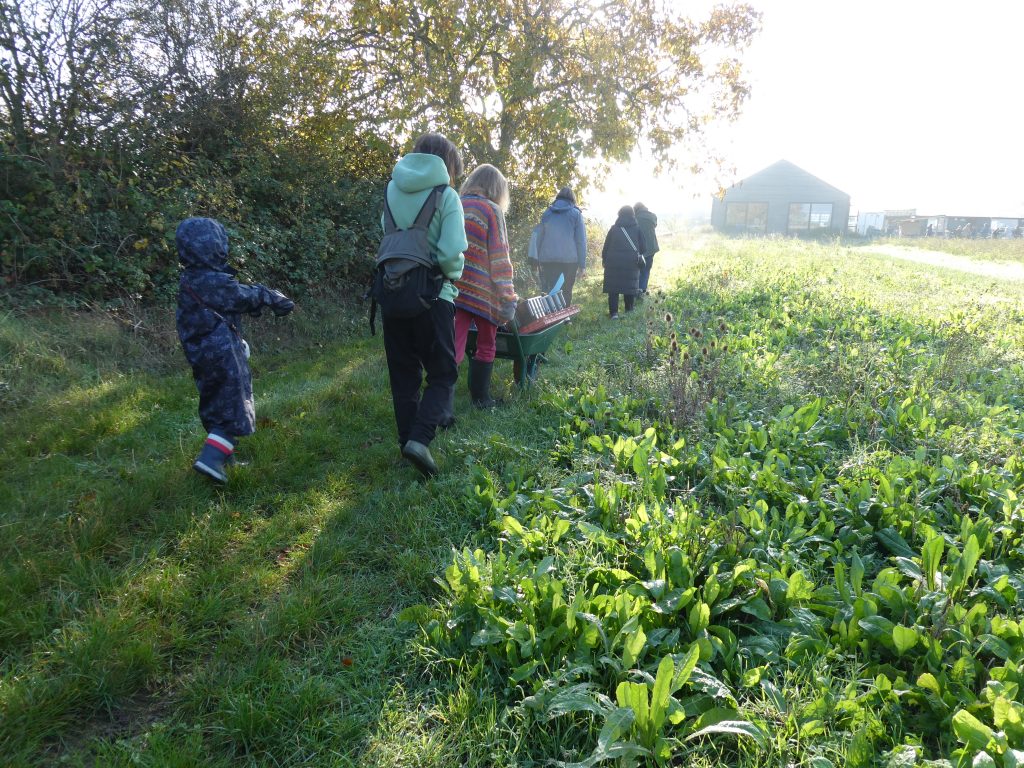
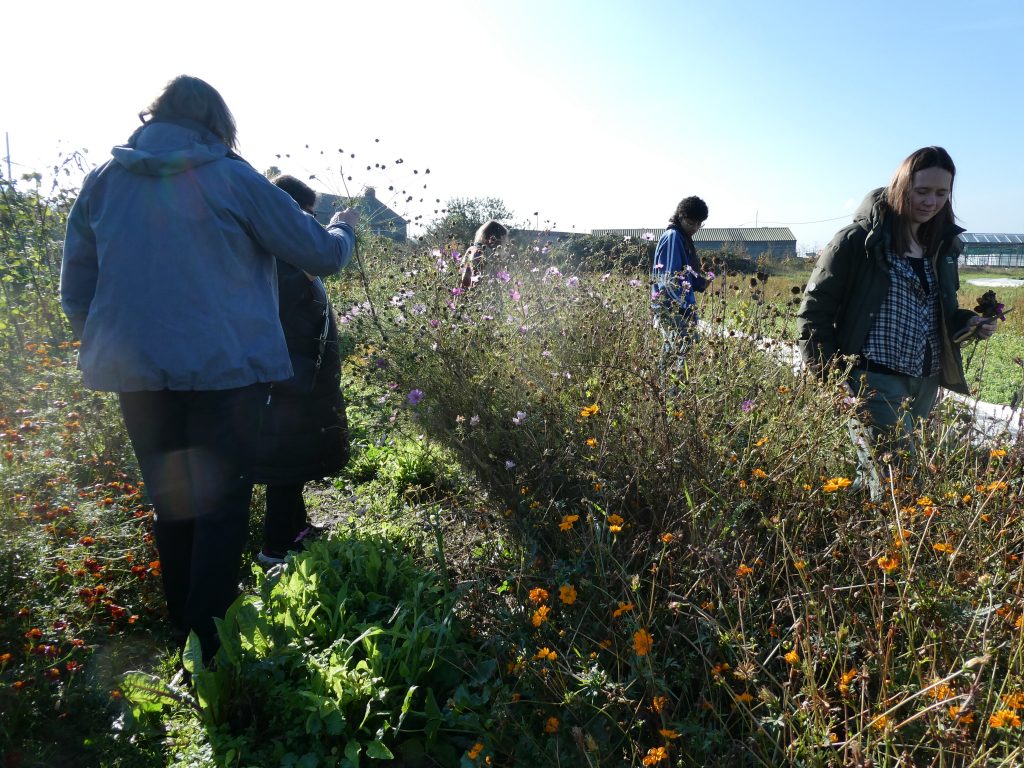
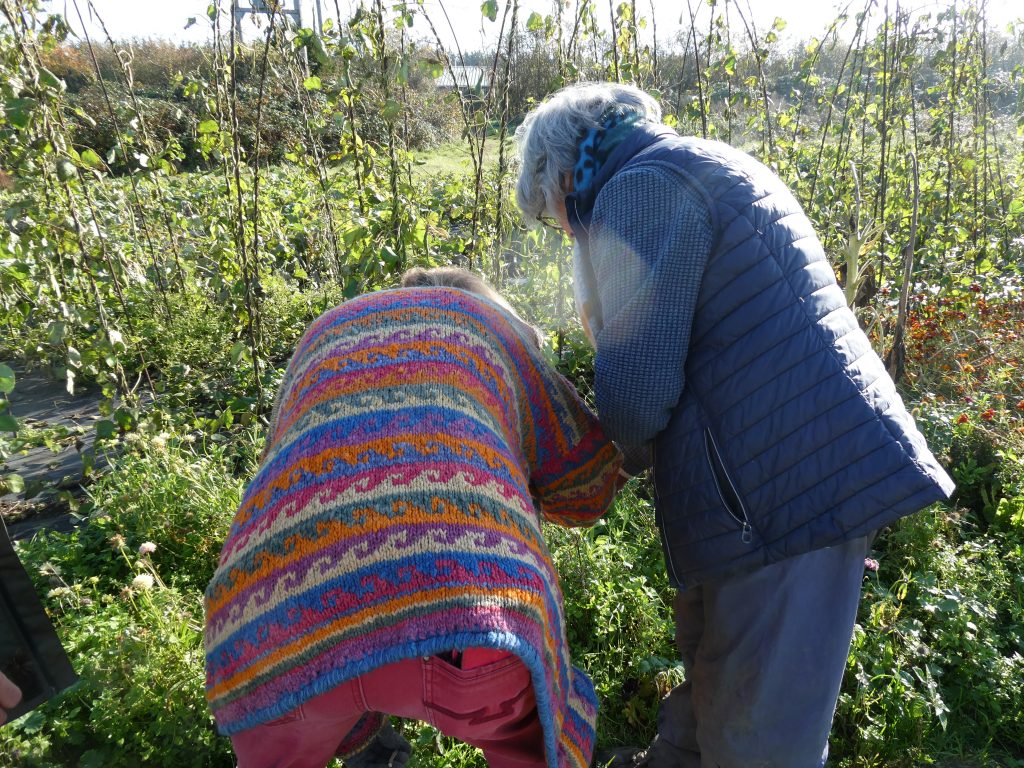
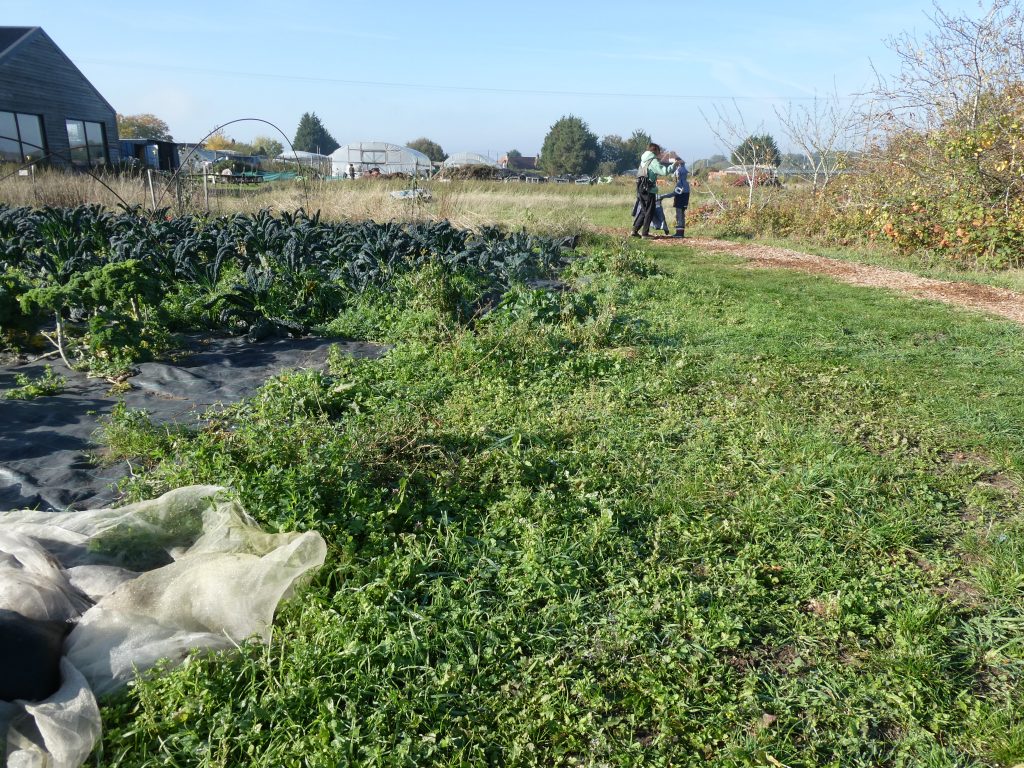
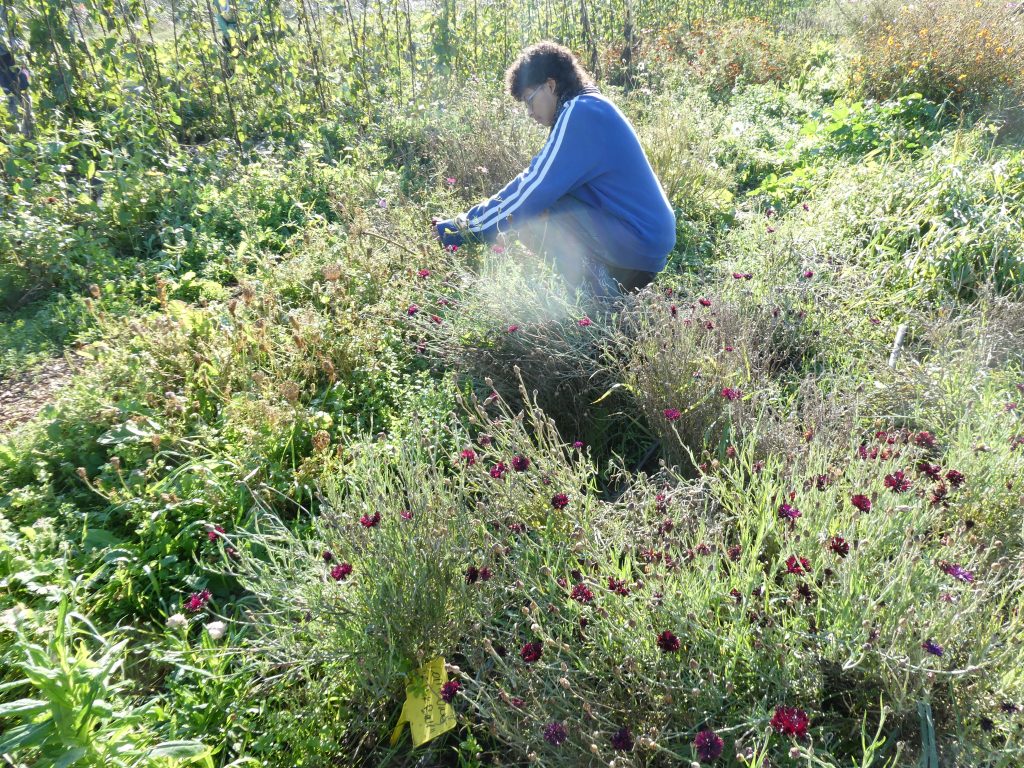
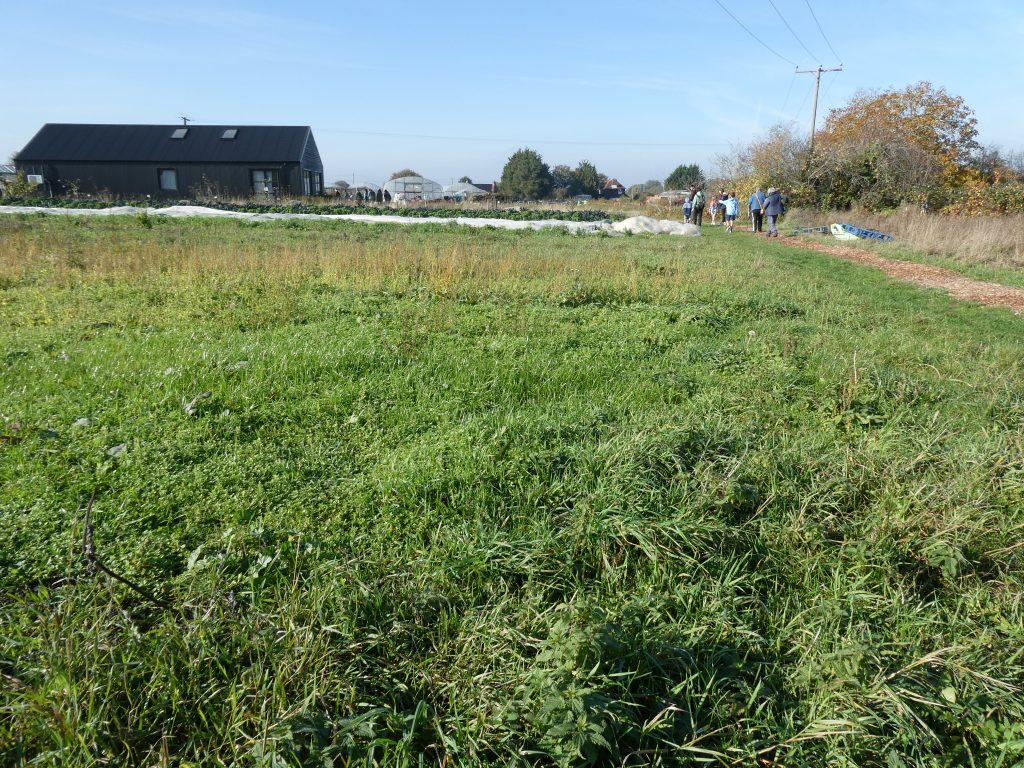
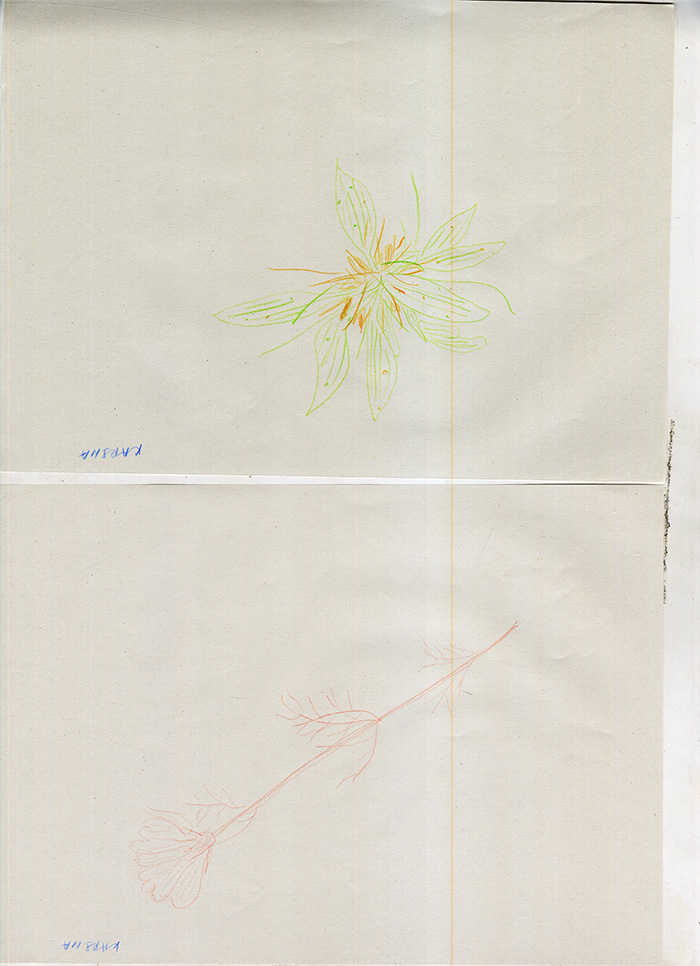
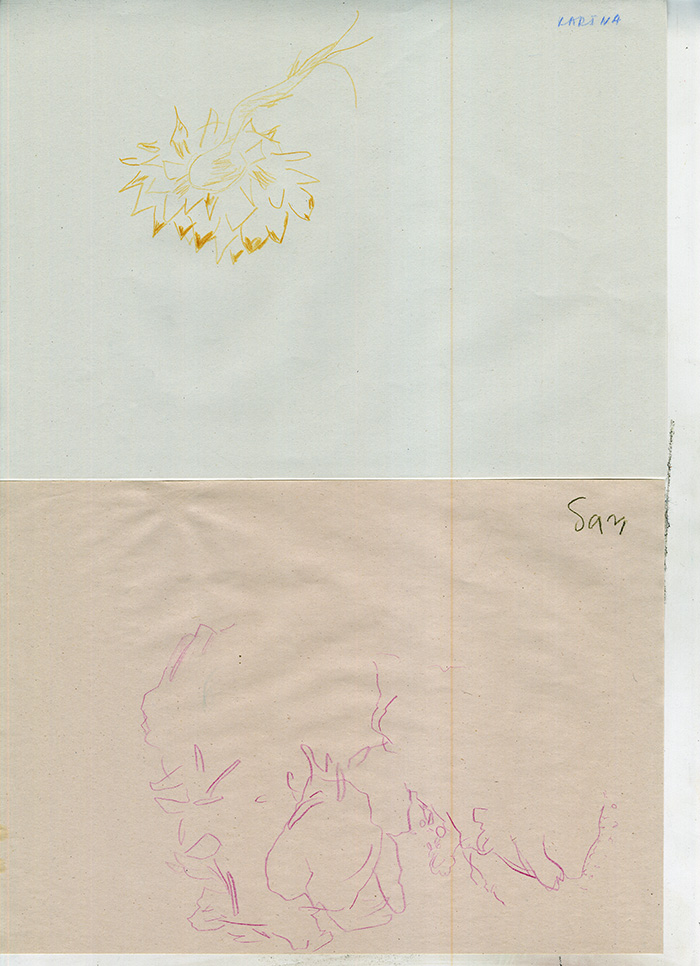
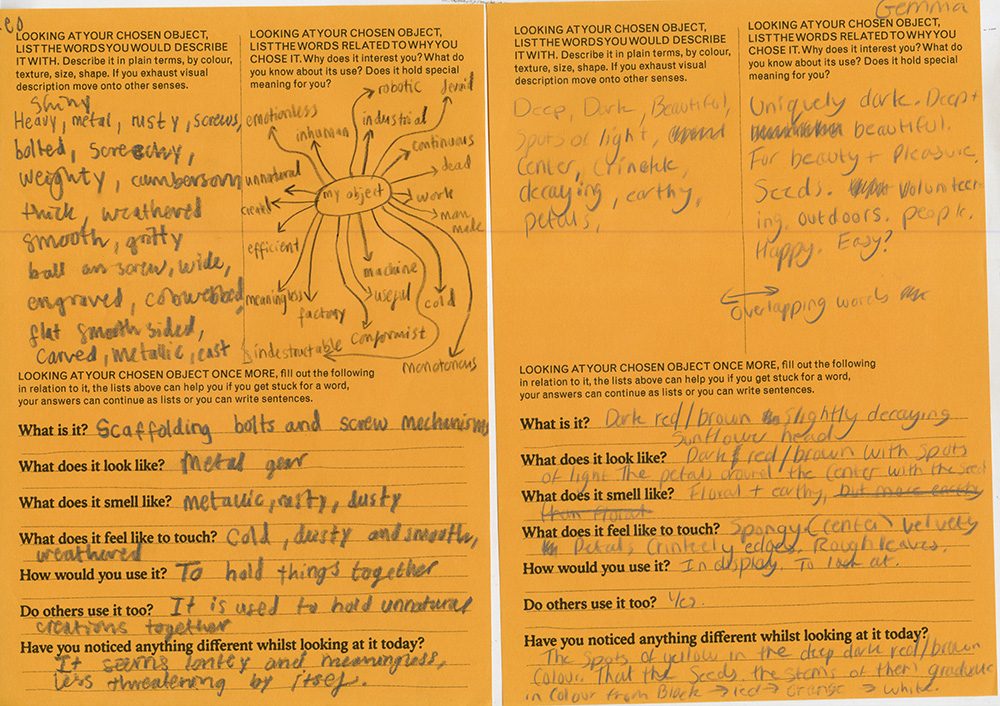
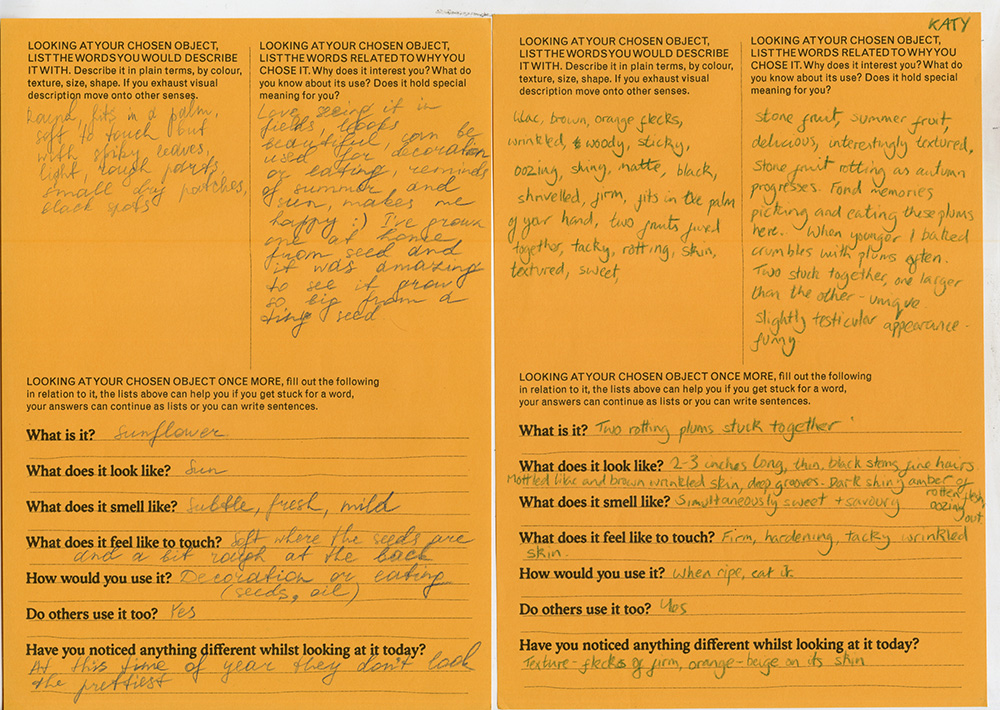
The walking component was enjoyable, by the end of it no one wanted to go back indoors. At that point the sun was high enough to warm us and had burnt off the heavy morning fog. I did wonder if we needed a clearer prompt in terms of what we were looking for, though people collected a lot of material, almost everyone was drawn to collecting organic matter, only Leo and myself collected tools. Leo’s writing component was quite focused on the inorganic nature of the scaffolding joint, as though it seemed out of place. I did not end up focussing on the seed module tray I picked up, it was actually too big to fit on the desks inside. People were respectful of the plant material they collected with little guidance from me (potentially from eachother) and they talked and walked in varying flows of smaller and larger groups. At one point about 7 people wandered off towards the leeks in the field and I left them to it eventually coming back around the flower beds. Karina and Luca walked around the fields on their own towards the end too, I suspect Luca might have gotten a bit bored. They did come back around too and Karina spent a long time amongst the spent golden sunflowers, choosing a small head with semi-developed seeds. She seemed moved by them and recounted stories of seeing vast sunflower fields with Luca in Spain.
I managed to keep the session on time and glad I hadn’t tried to be more ambitious with the indoor activities, we definitely had enough to do. Potential changes or improvements to be made:
—More thorough description of contour drawing.
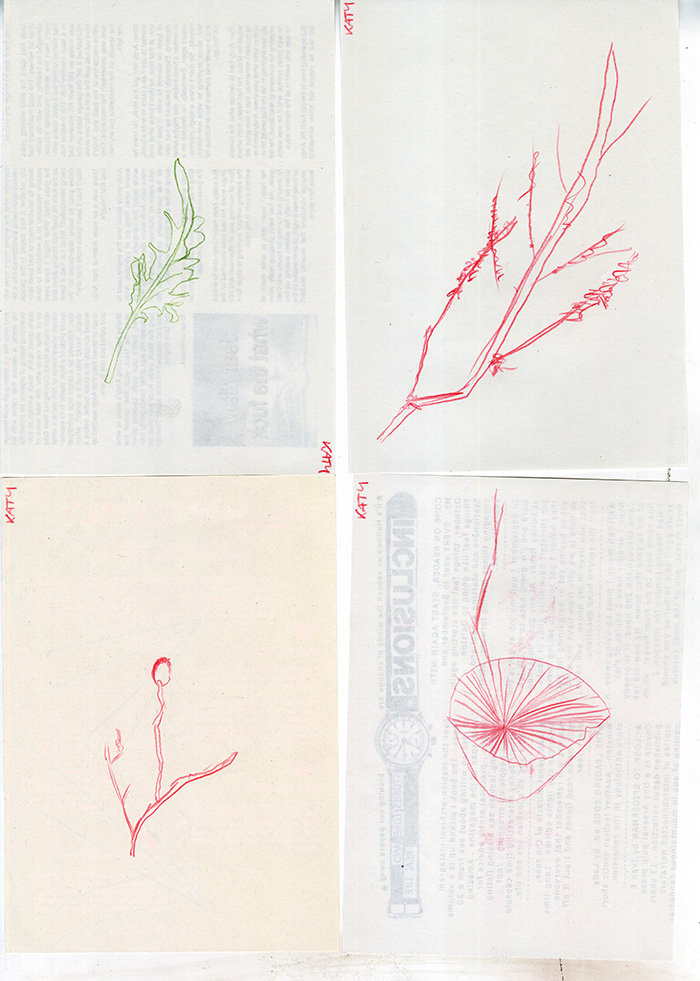
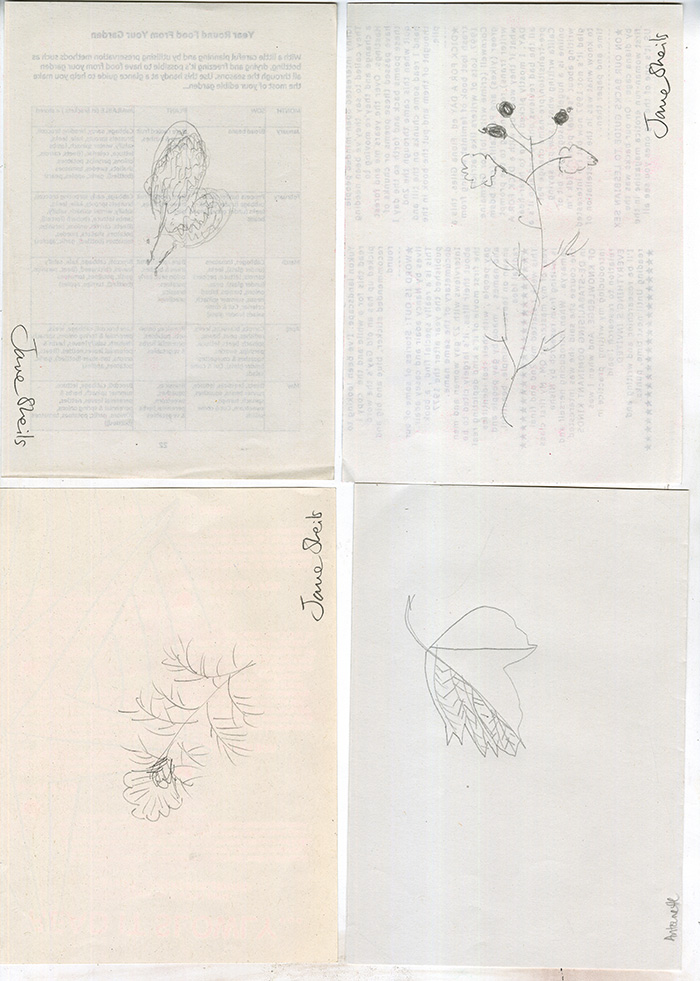
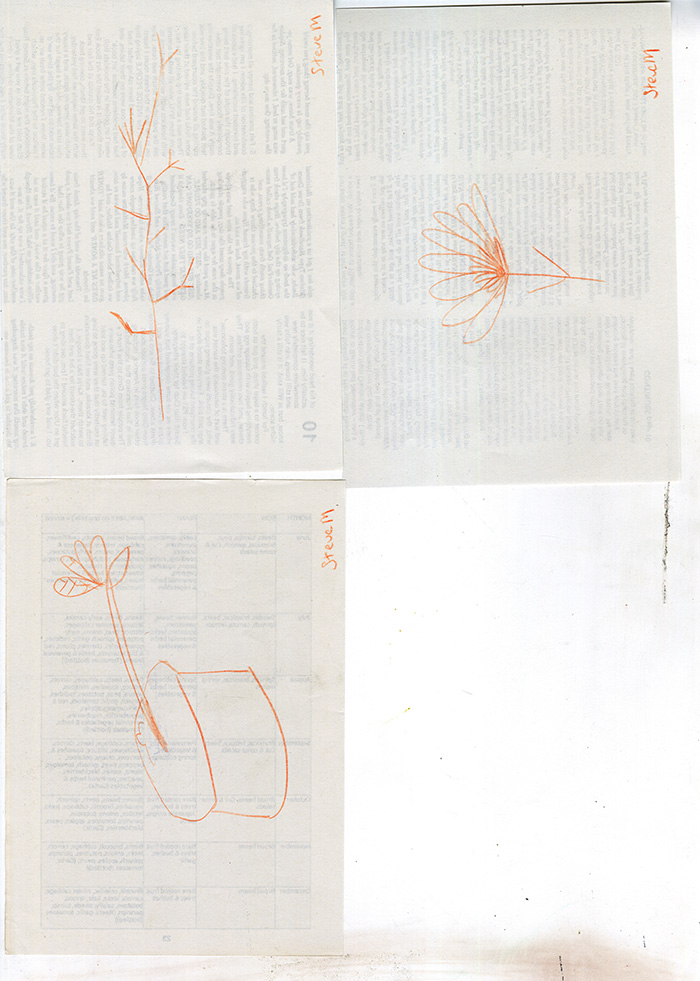
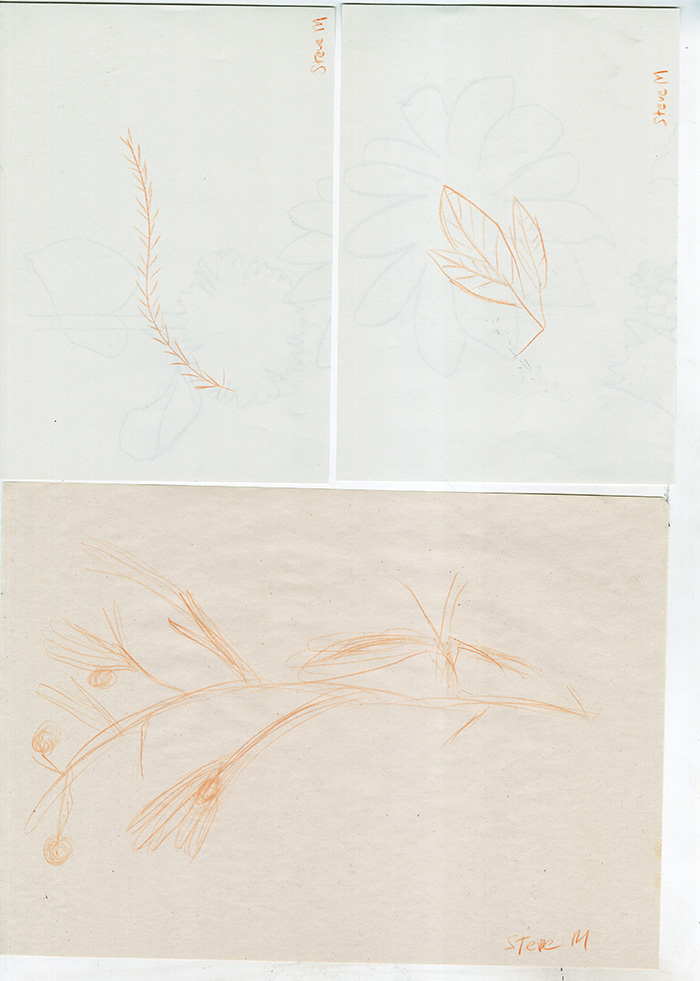
—Do not use coloured pencils with printed scrap paper next time, the combination is difficult to scan. Needs lighter printing on the reverse and a 2B+ pencil only. The coloured pencils were also distracting and led people towards drawings that were cartoonish, coming from preconceived notions of their objects.
—What about drawing on one large sheet of paper towards the end? To see how people draw and connect things together. How do those connections relate to the farm operations? What kinds of knowledge surfaces with an exercise like that?
—What practical outdoor activity could tie in to a workshop? Is it feasible for me to engage in volunteer sessions as part of this research, out of my working hours? What ethical and audience considerations would make that worthwhile?
Photos of the workshop
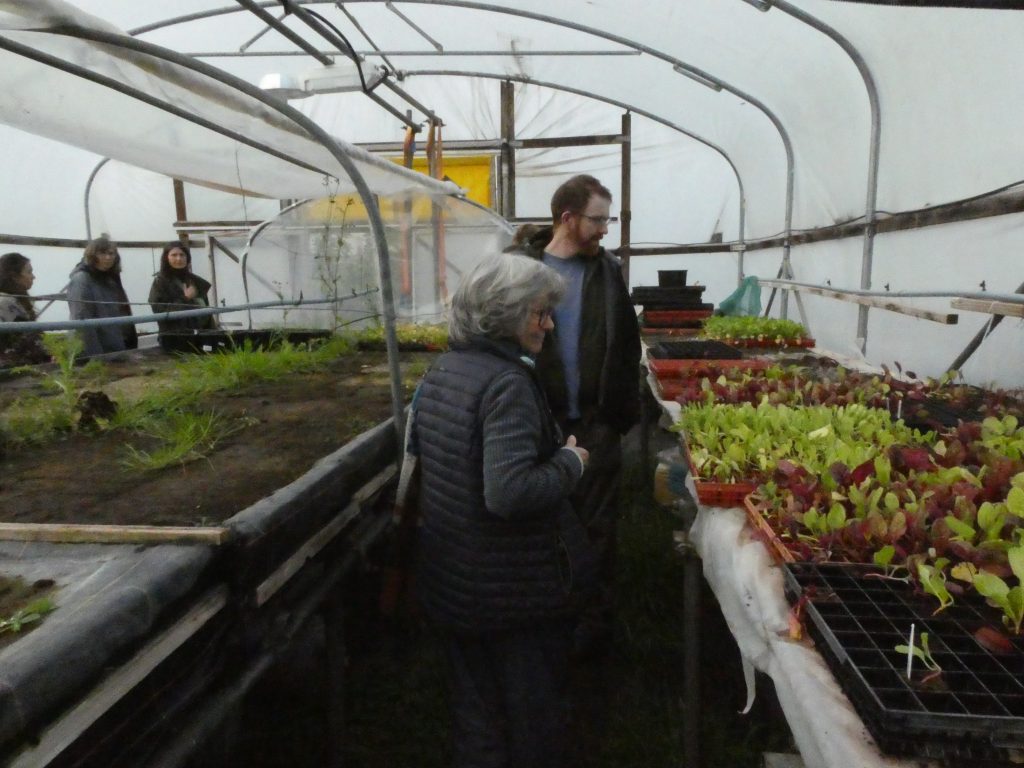
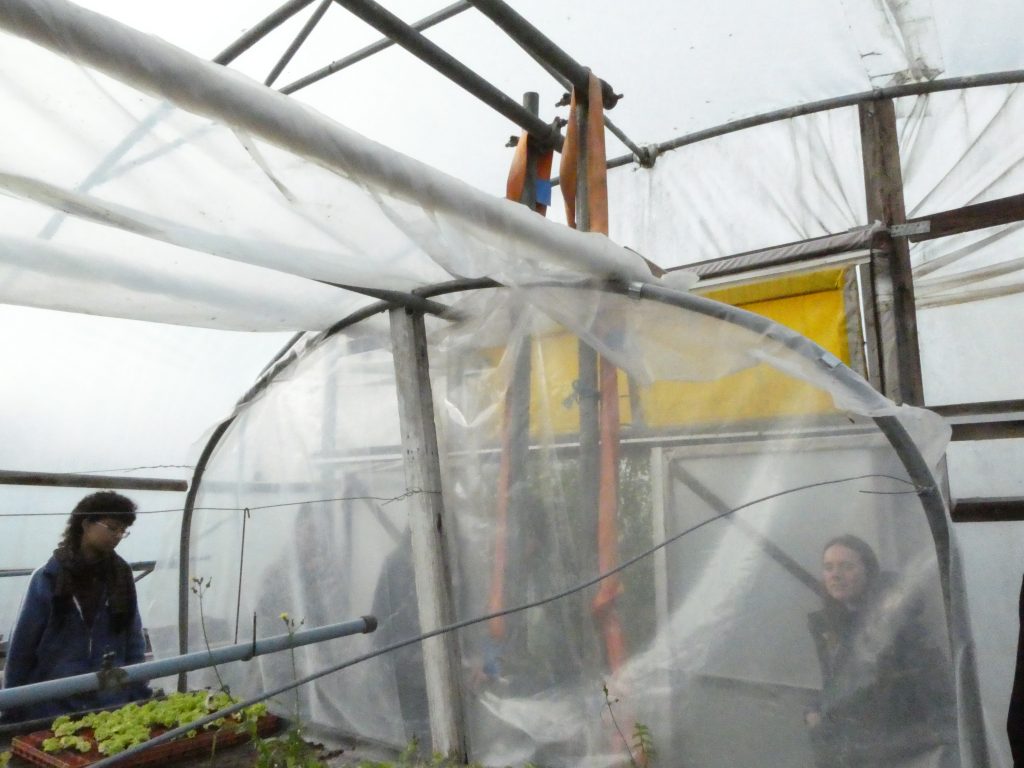
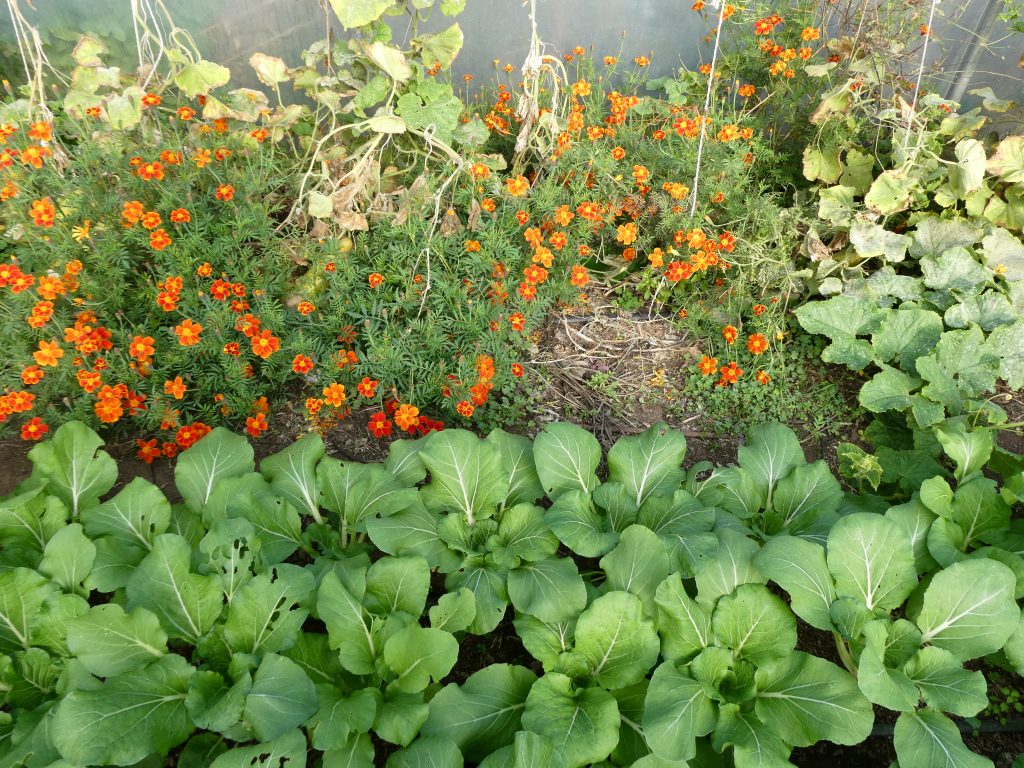
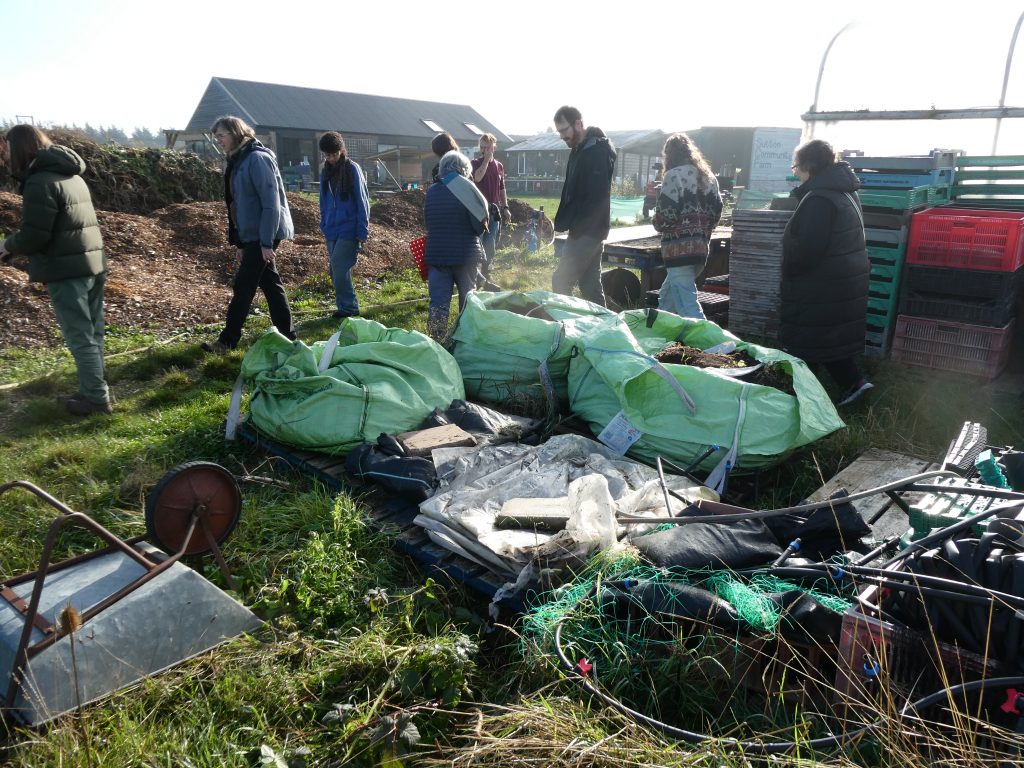
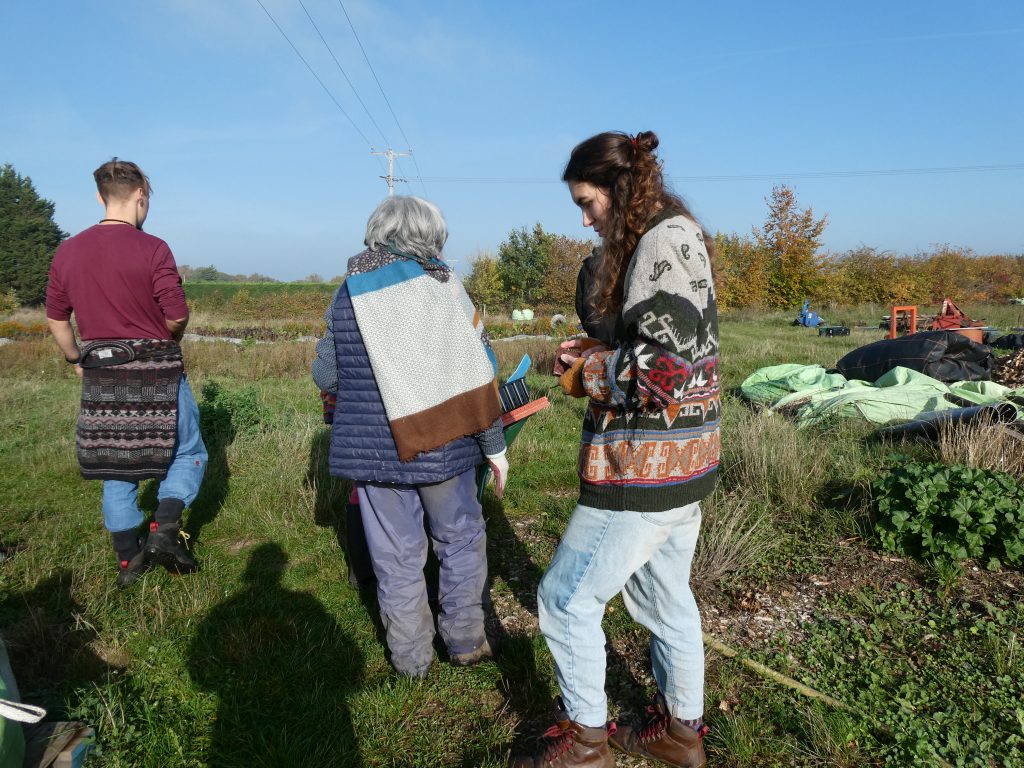
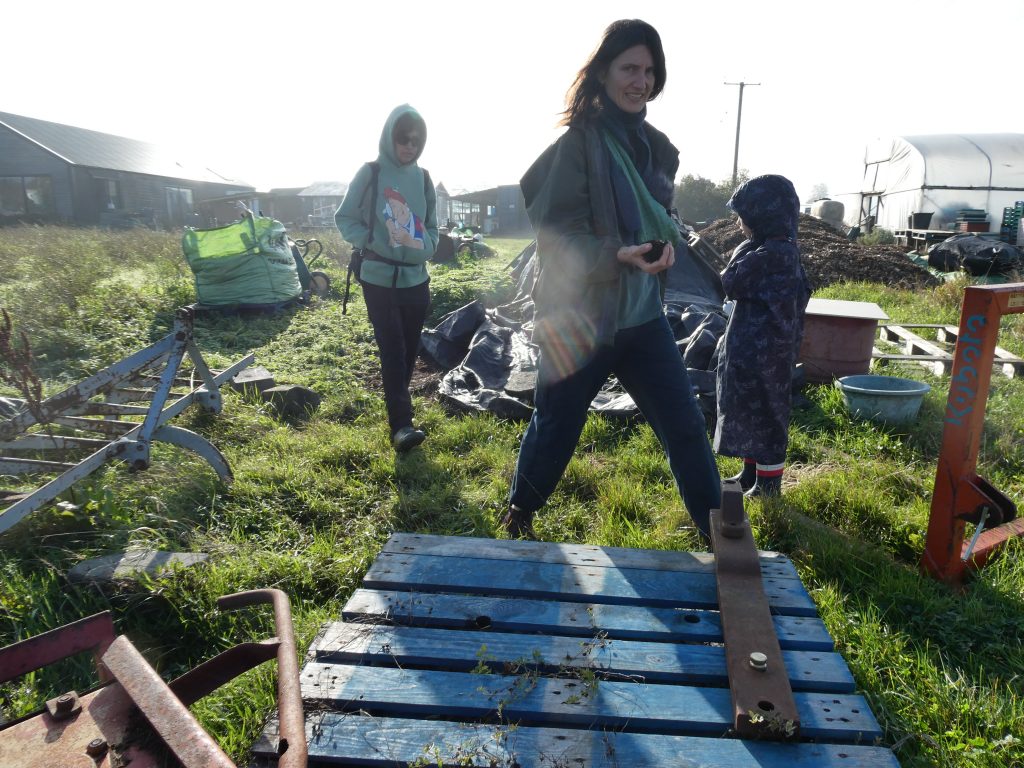
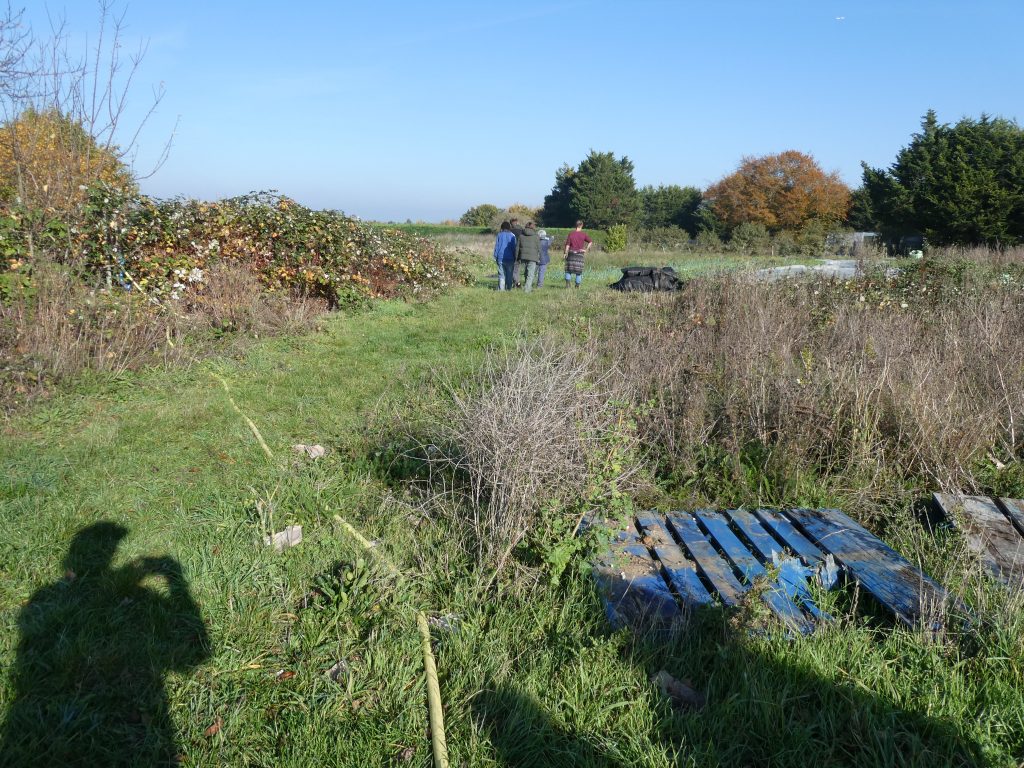
Below are phots taken along the walk, images are in chronological order and show all areas on the walking route. All photos taken by Esther McManus.
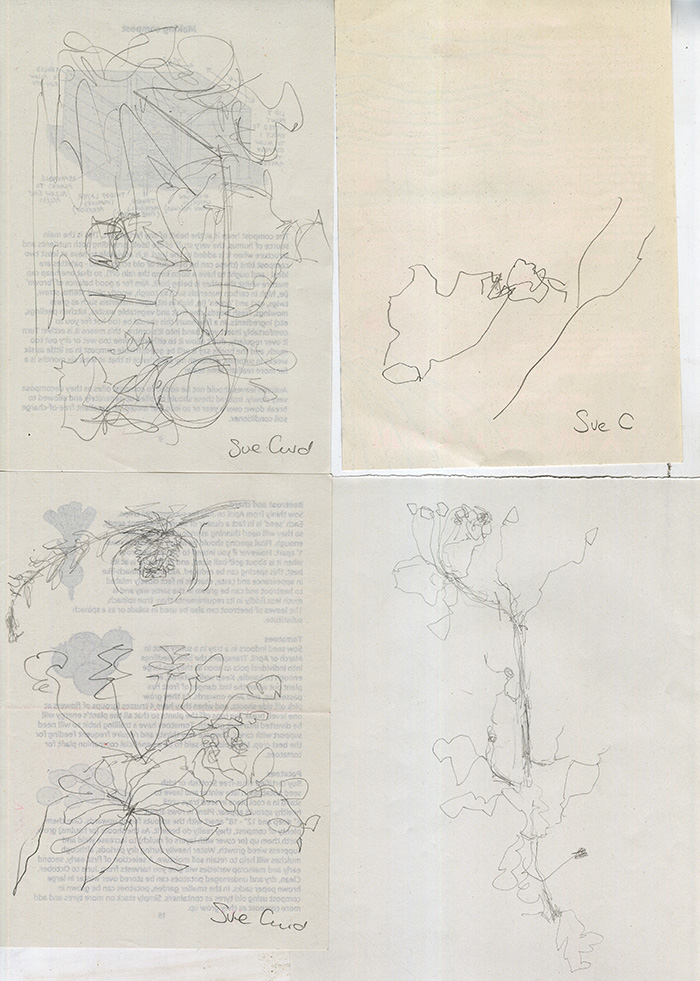
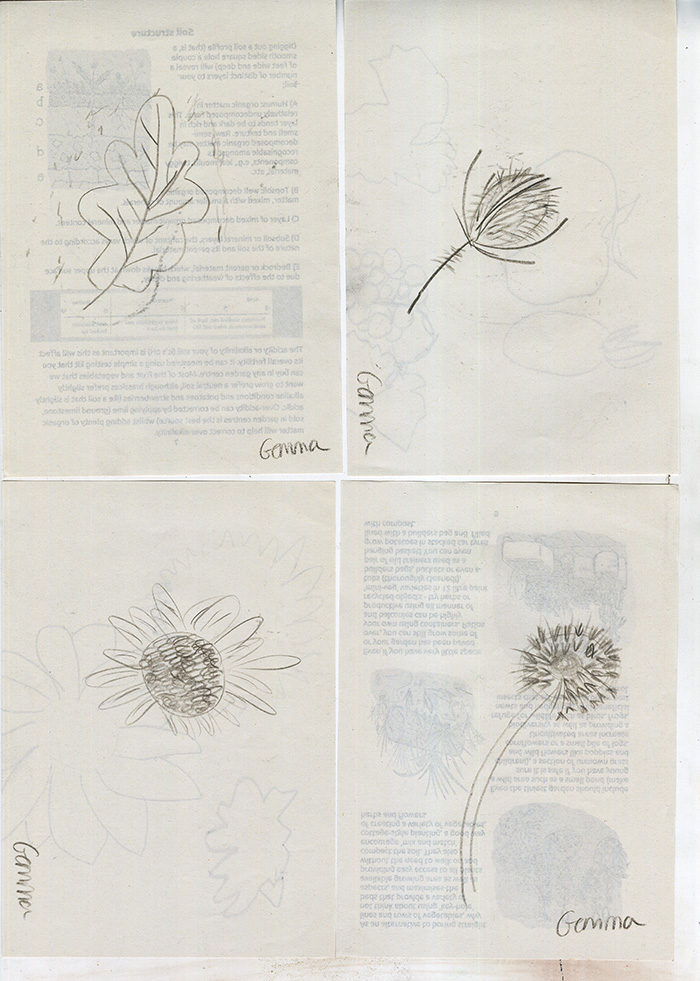
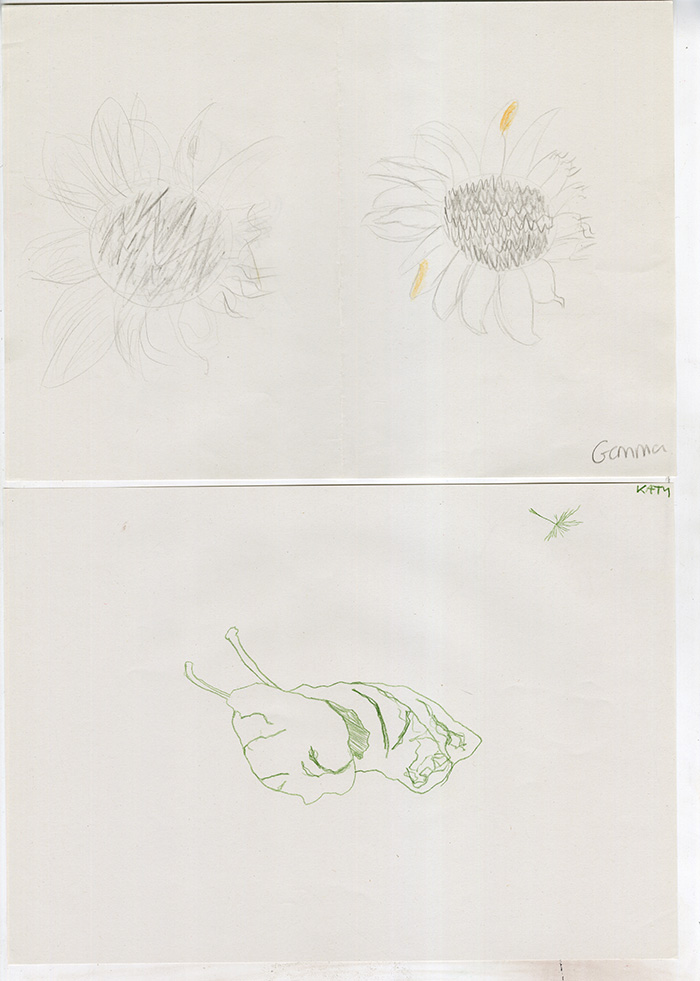
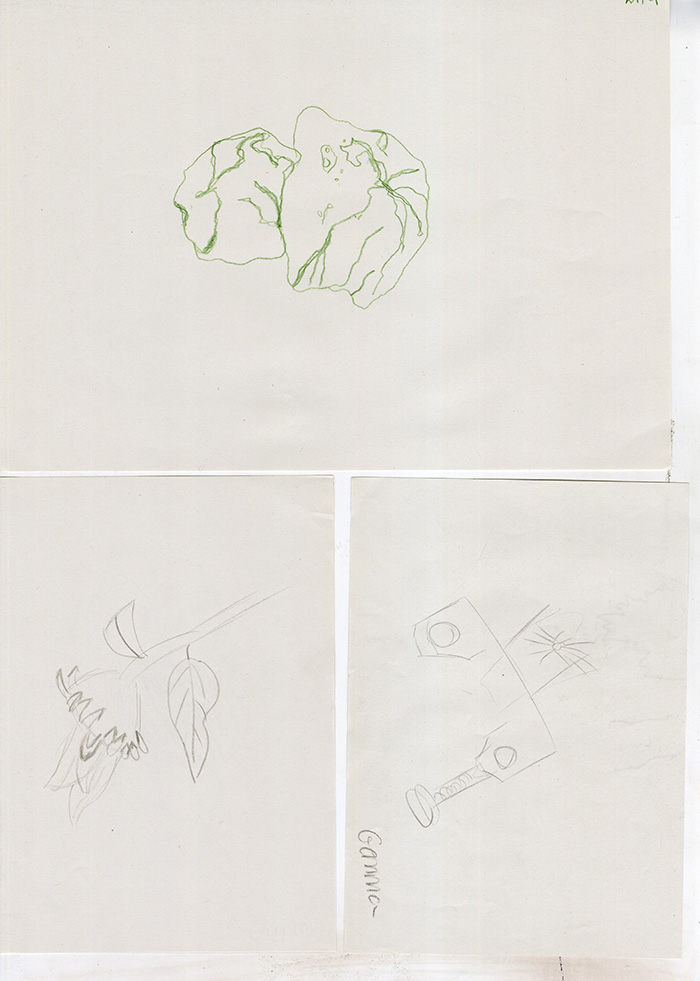
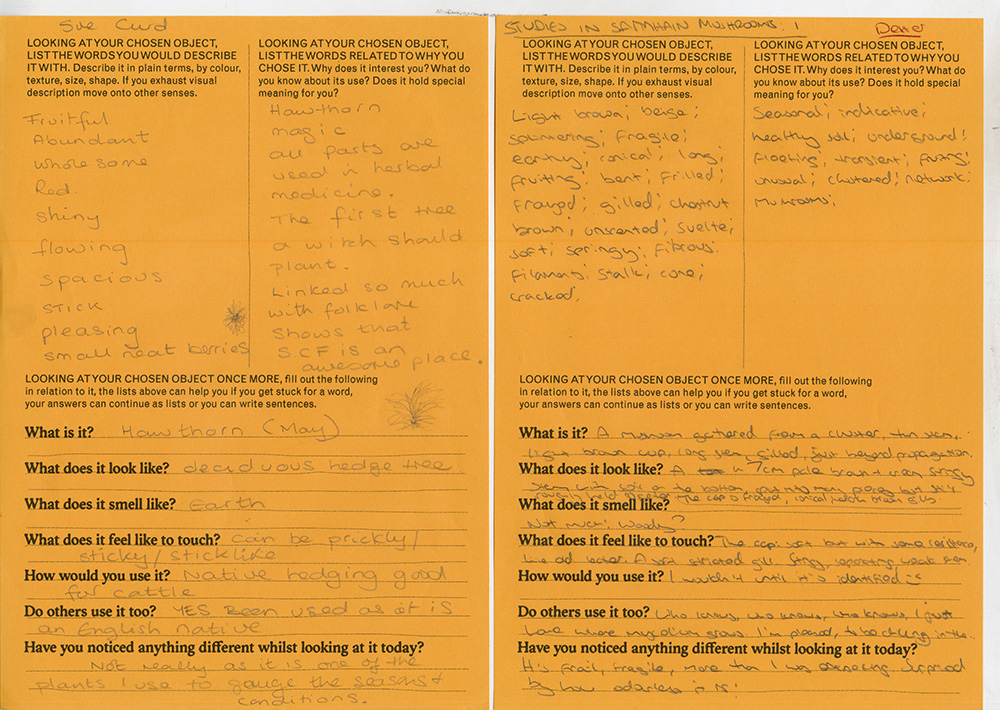
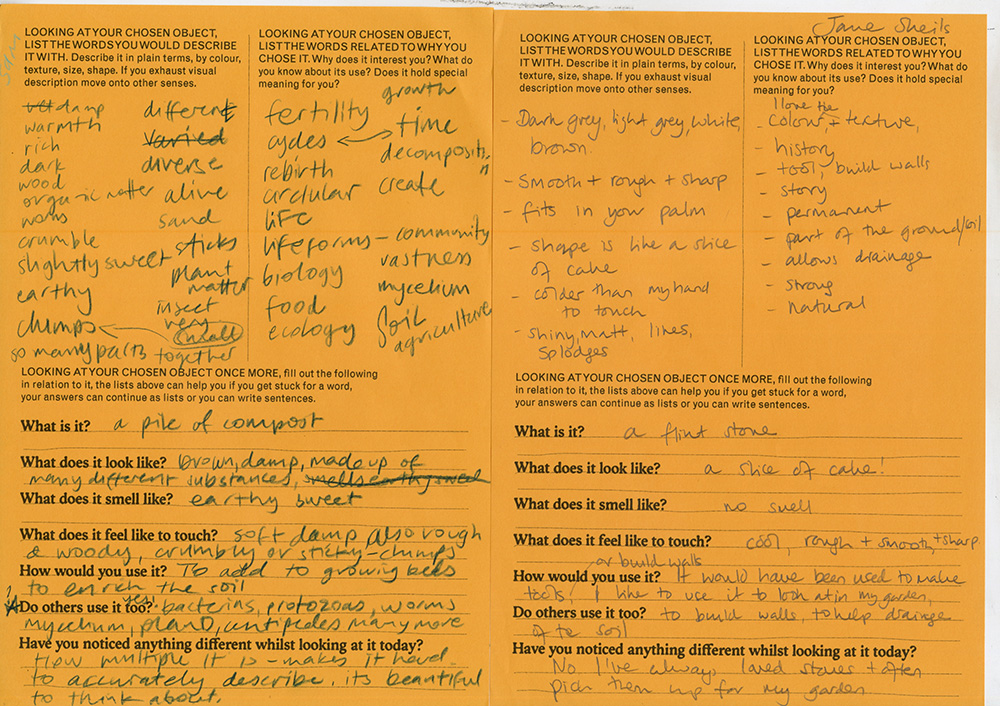
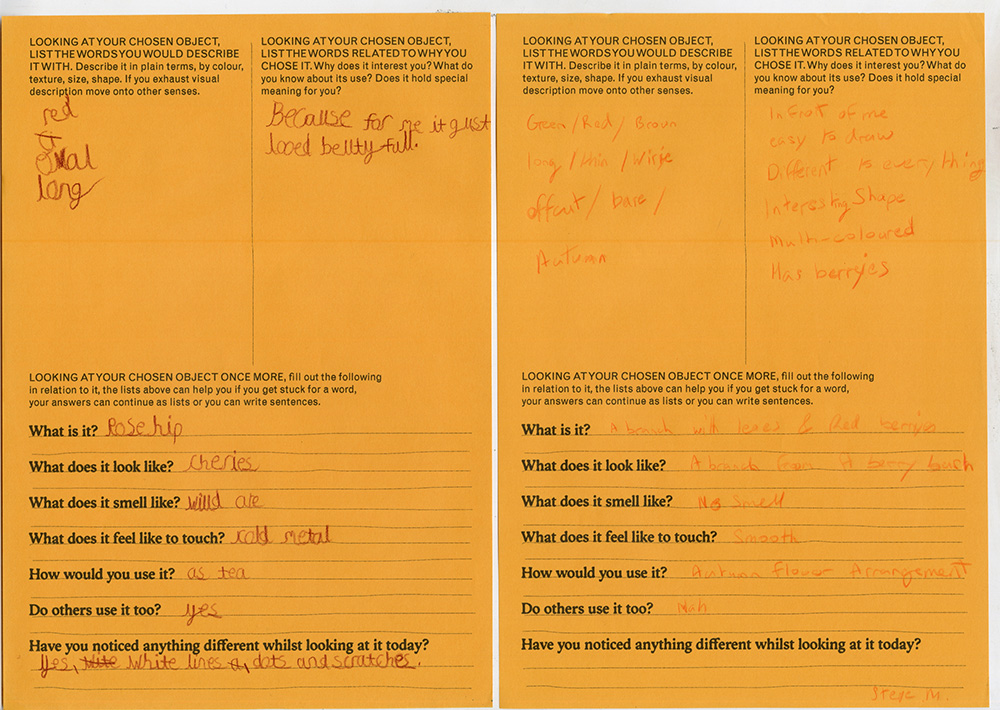
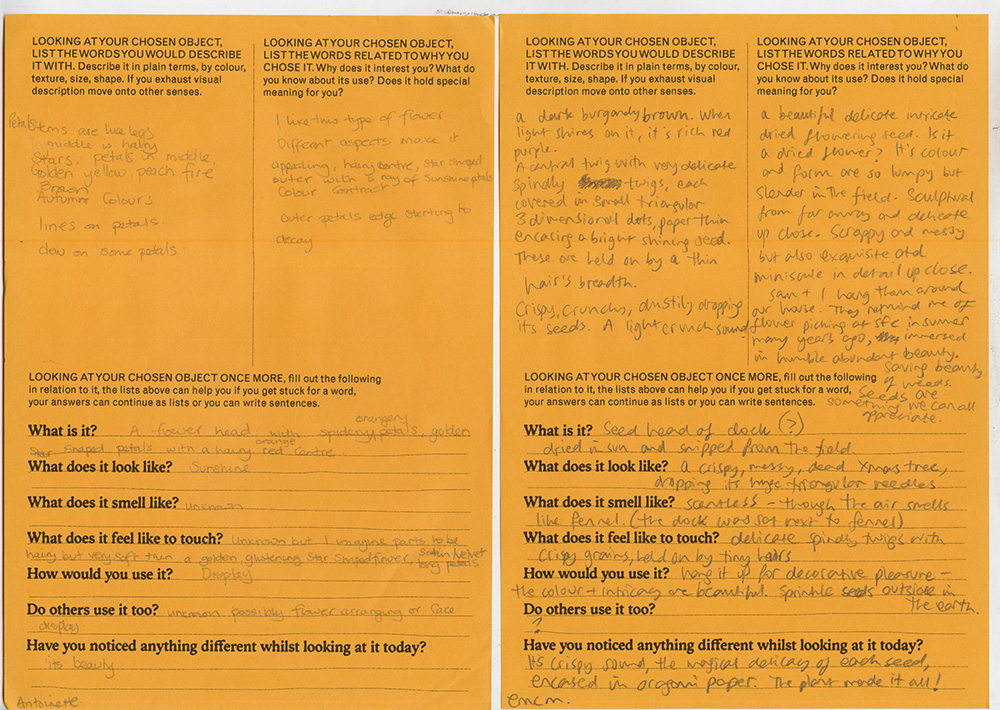
Workshop outputs — drawings and writing
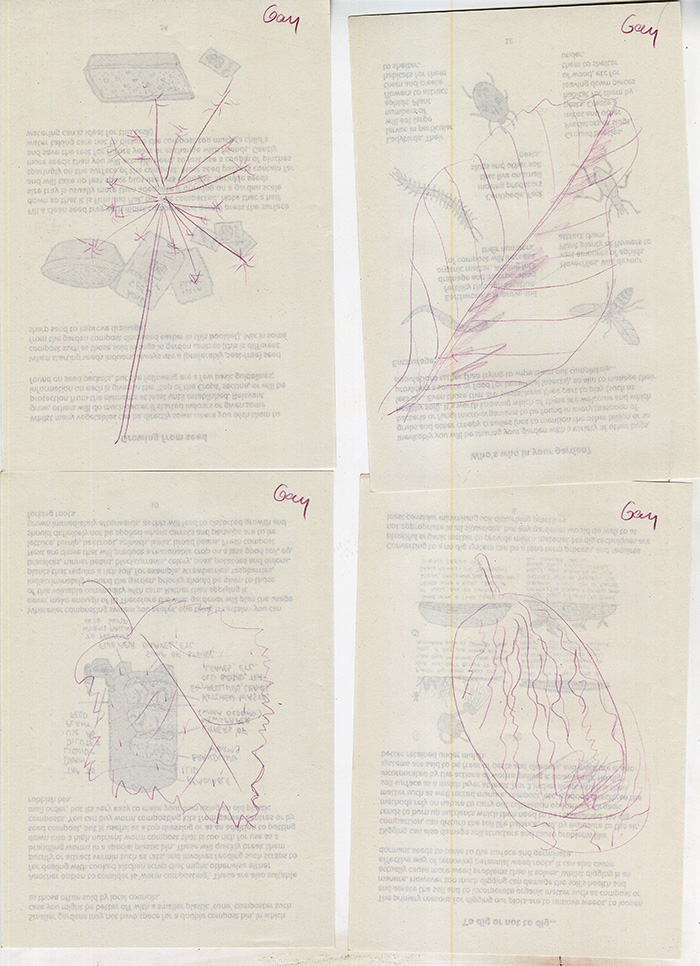
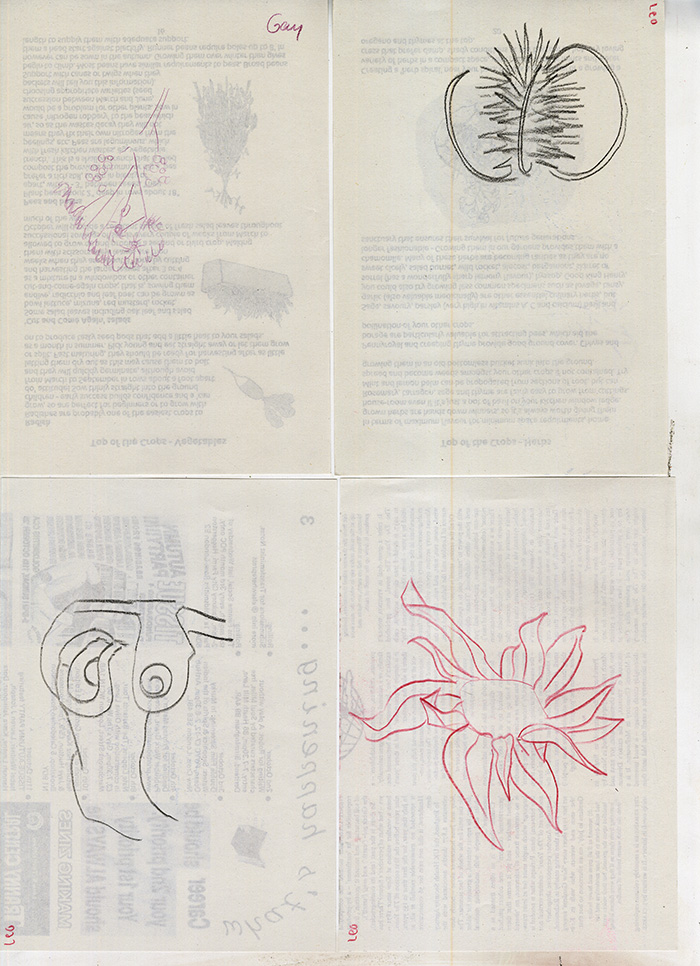
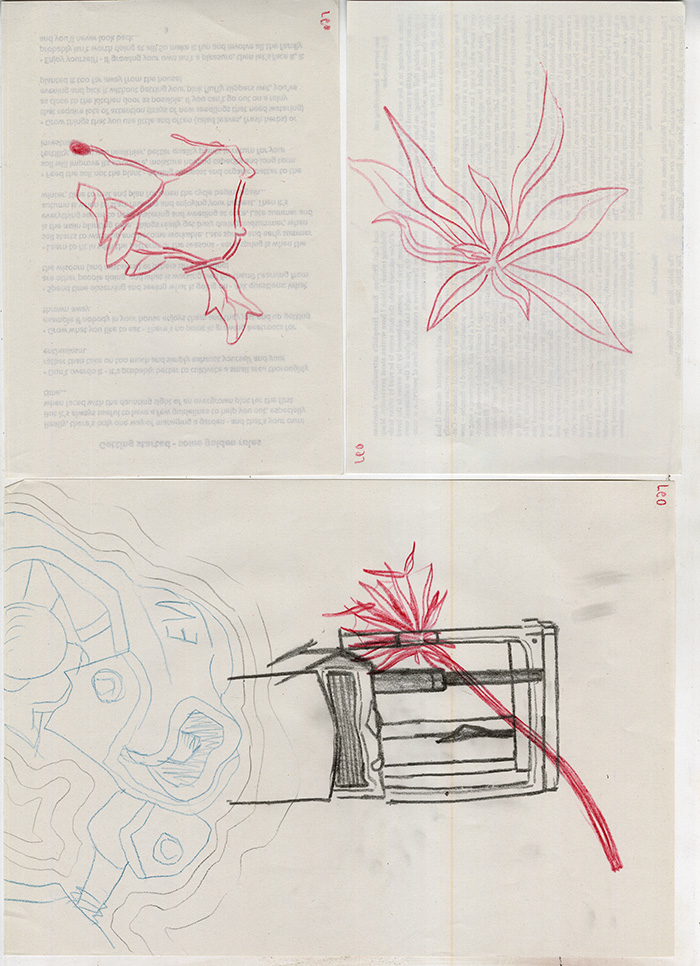
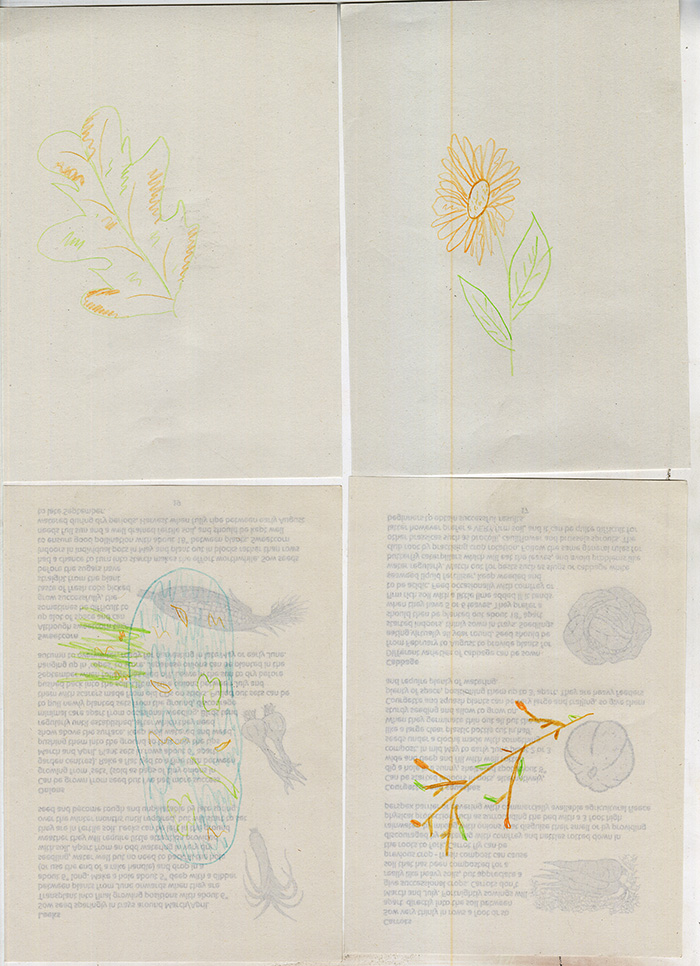
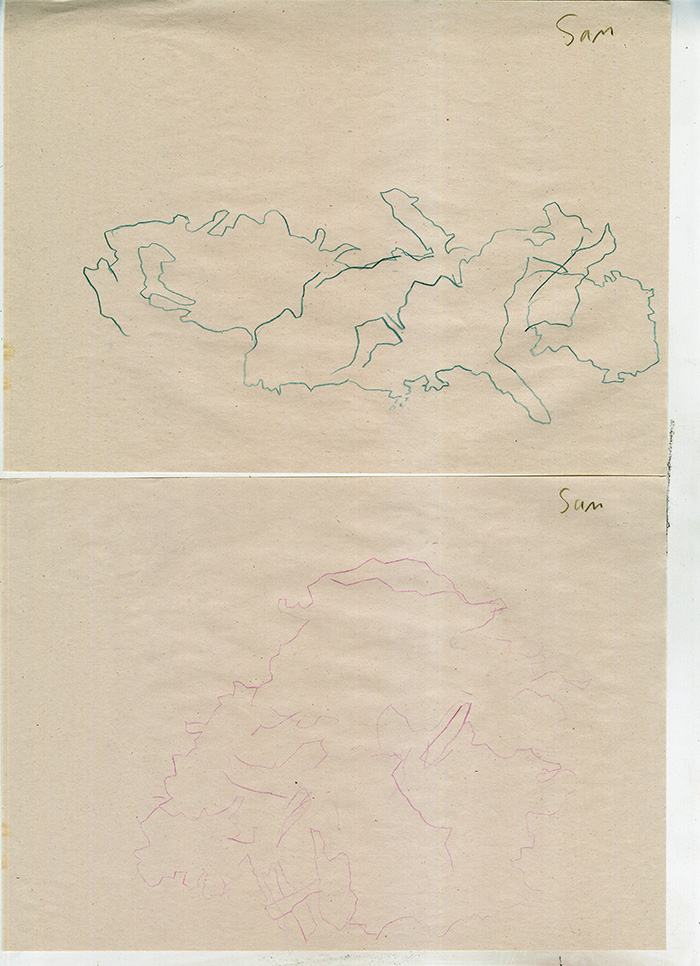
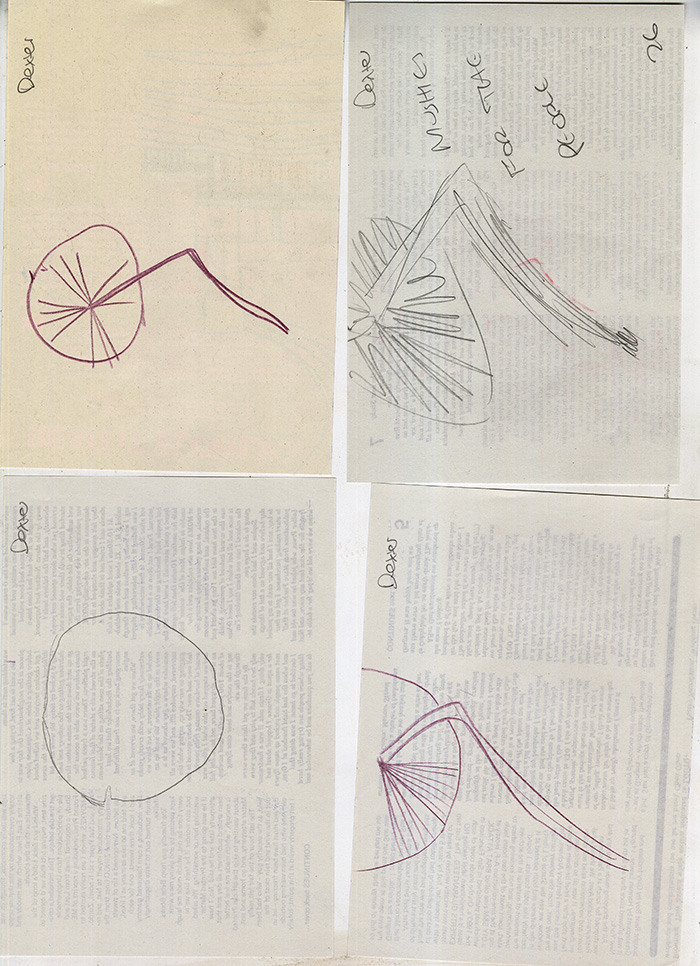
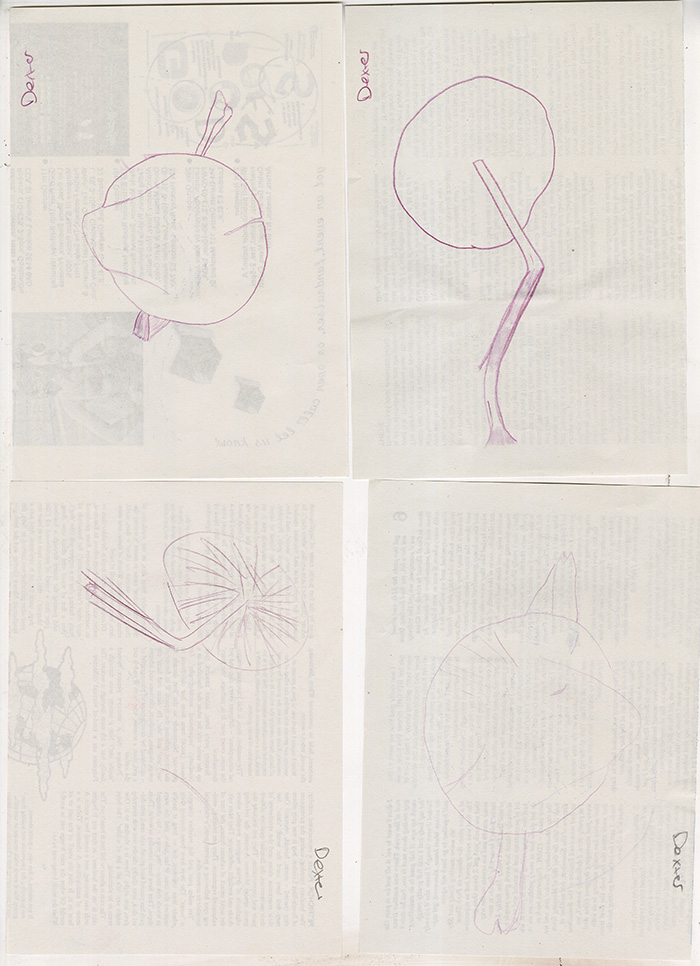
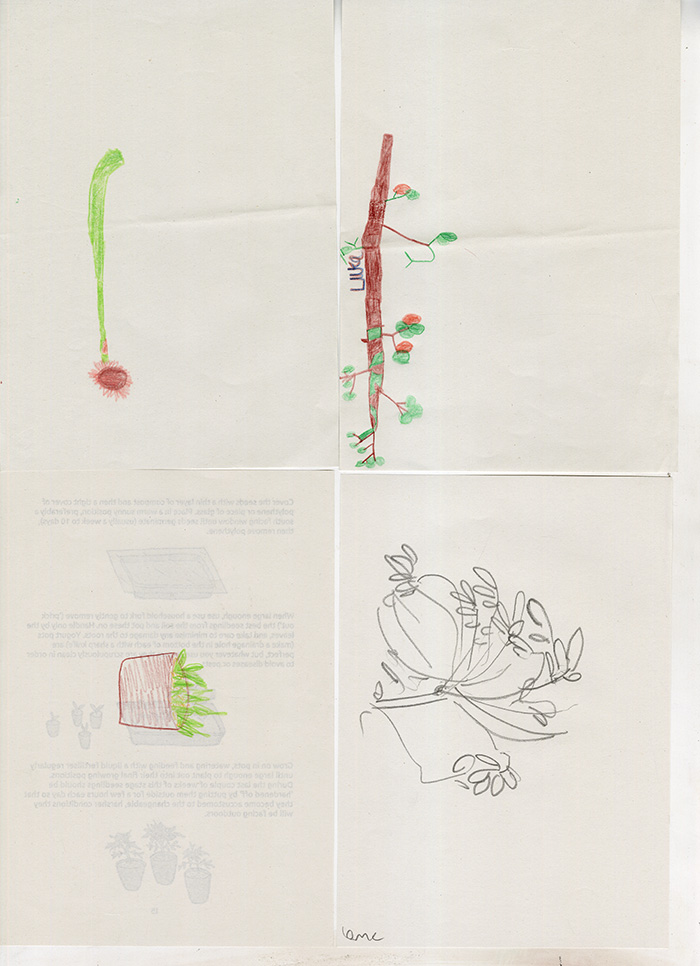
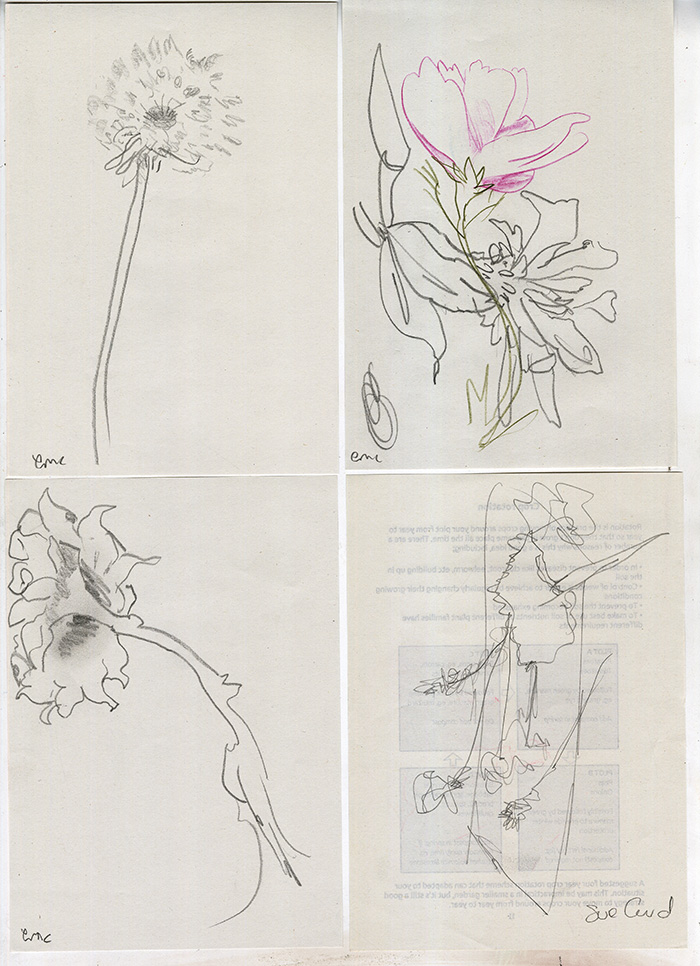
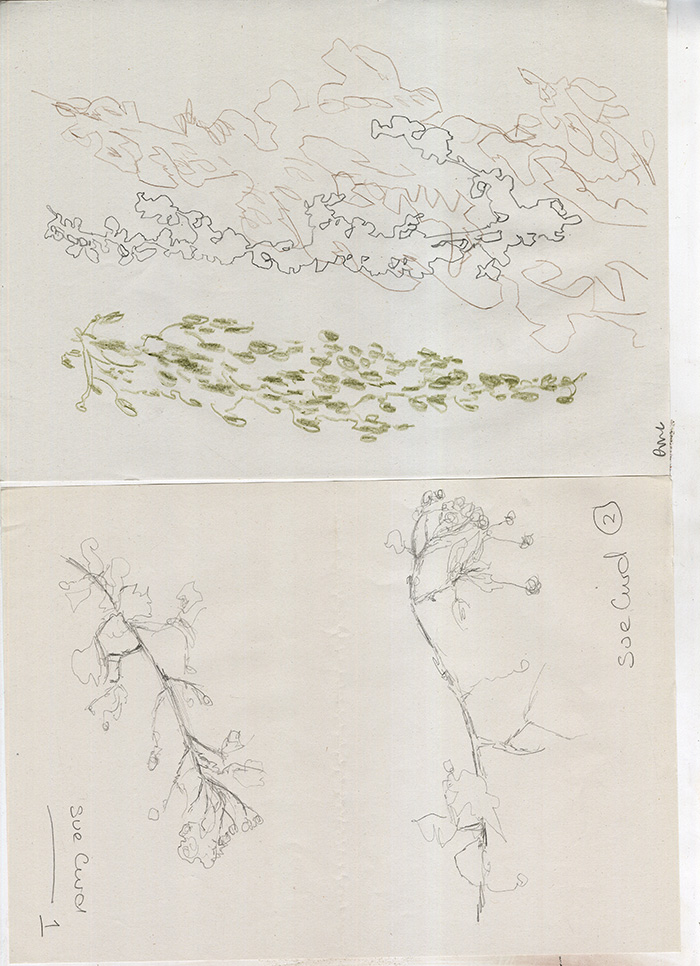
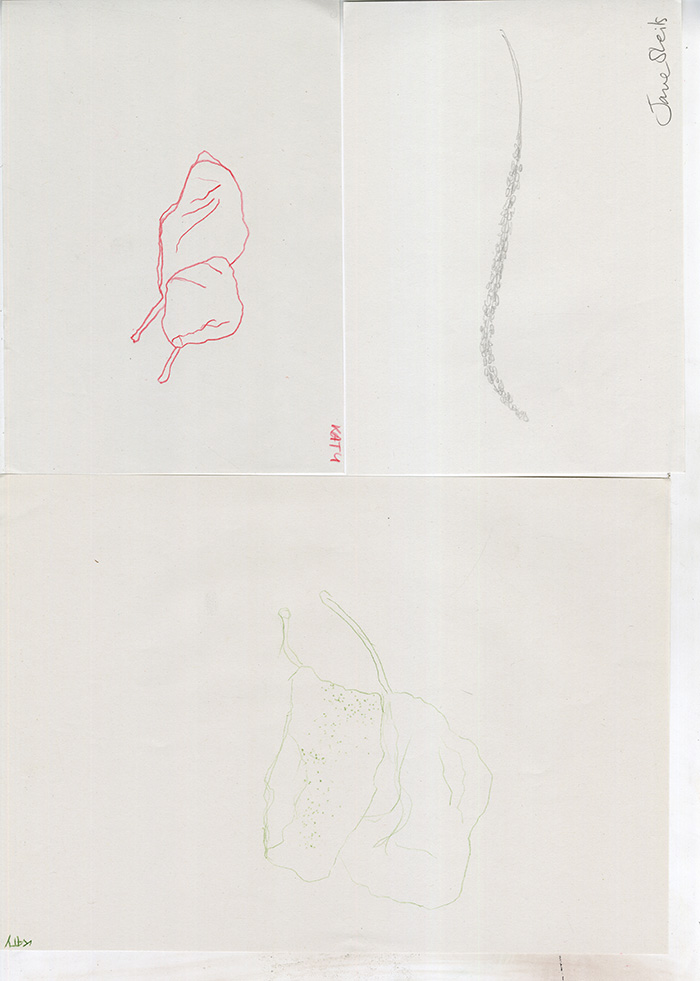
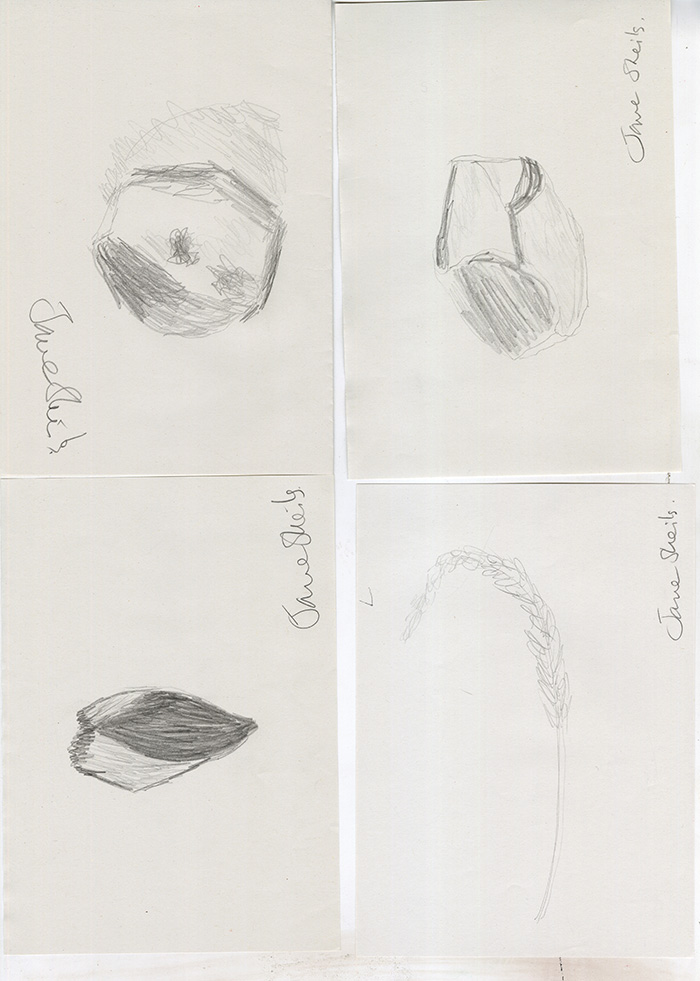
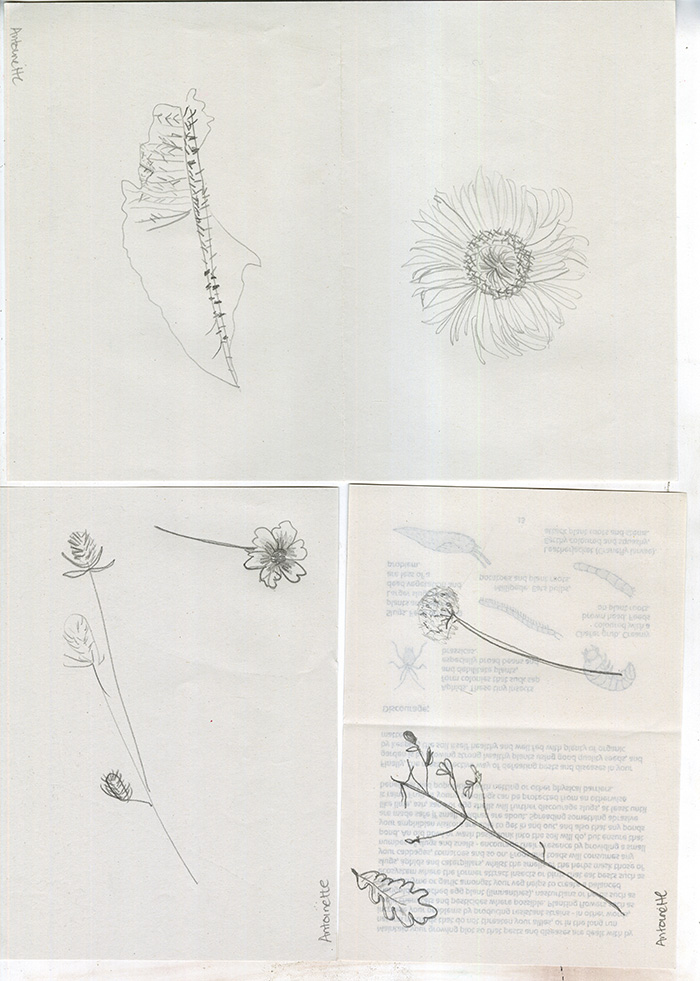
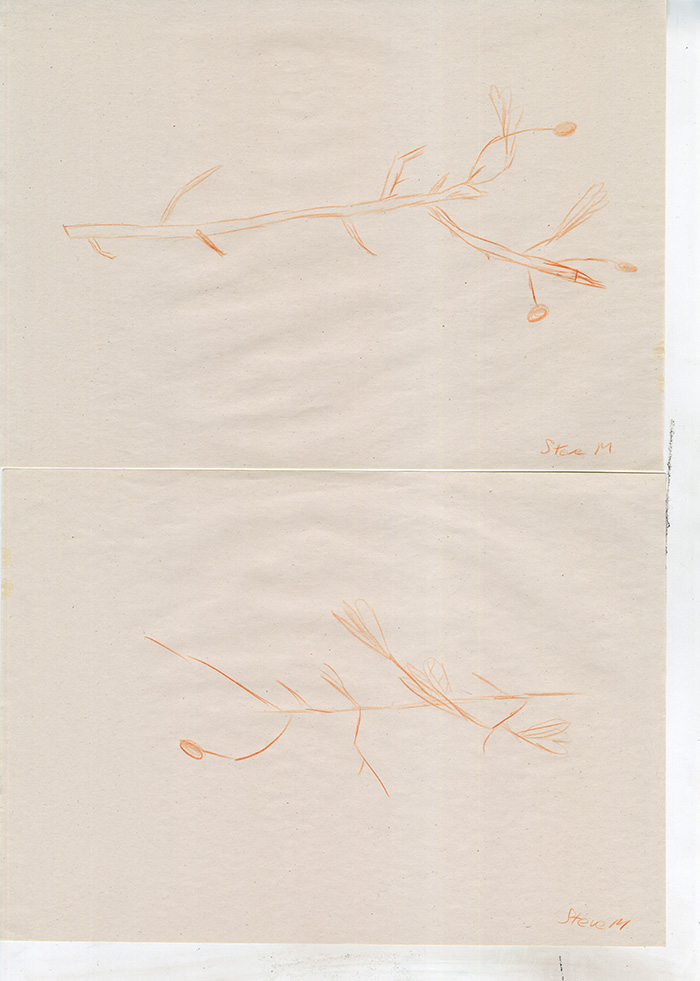
I’ve not had a chance to properly sort these scans yet, but this is all the 1 minute and 3 minute drawings done. Gay had to leave after the warm up drawings, so I took her place and drew and wrote as the 11th participant for the last activities.
Leave a Reply