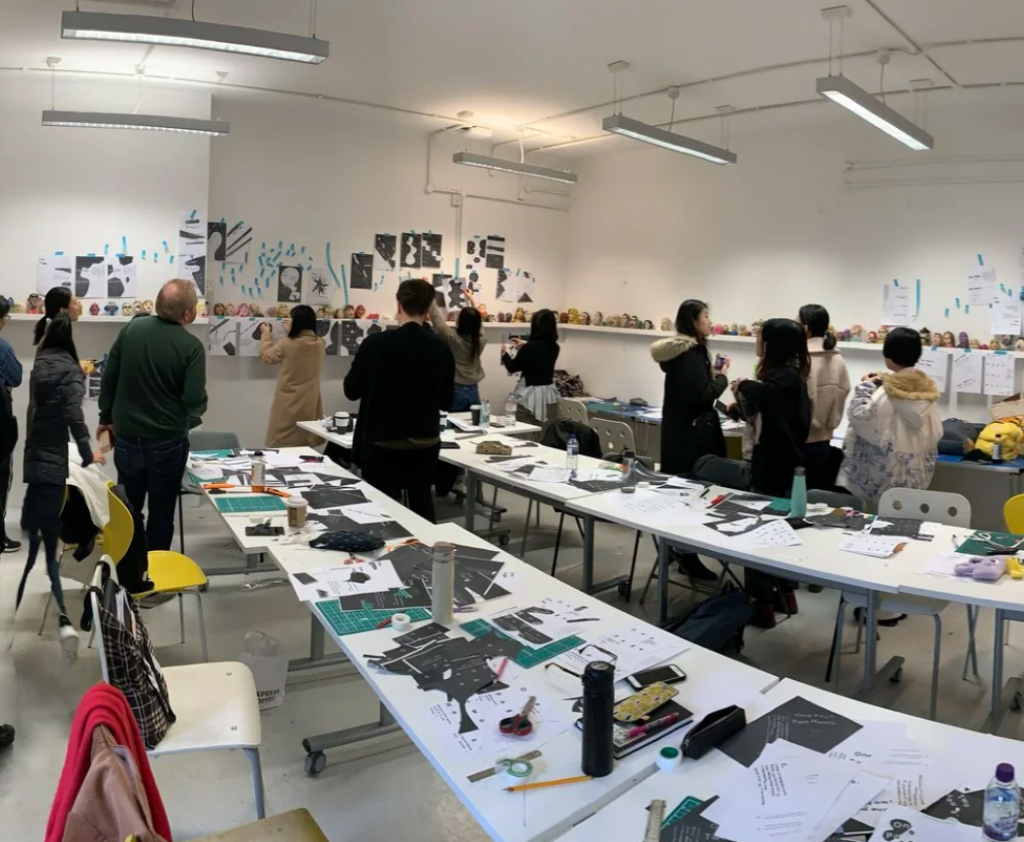
I chose to dialogue with Laura Knight at the end of last term, I was interested in her work with the Communicating Complexity MA including environmental systems and auditing and her design of practical workshops to think through processes.
After describing what I’d been making and reading with LK she prompted me towards the output of images, where the goal is not to display or disseminate information but to communicate other kinds of knowledge and experience. My difficulty and interest in trying to express embodied knowledge gained through food growing came up, and a LK pointed me to Eco’s Openwork concept:
“the richest form of communication – richest because most open – requires a delicate balance permitting the merest order with the maximum disorder”
From there we discussed more practical aspects of process. Particularly image making in workshop contexts and LK’s work with collage workshops as process for openwork exploration. Collage offering, with quite simple provisions (something that is important in what I’ve been working on), the ability to quickly experiment with visual languages. It provides a scenario to work through composition, colour and layering combining both text and image, print and drawing and where material parameters help to guide the logic of image making. LK also made reference to assemblage as a possible framework for moving my work forward.
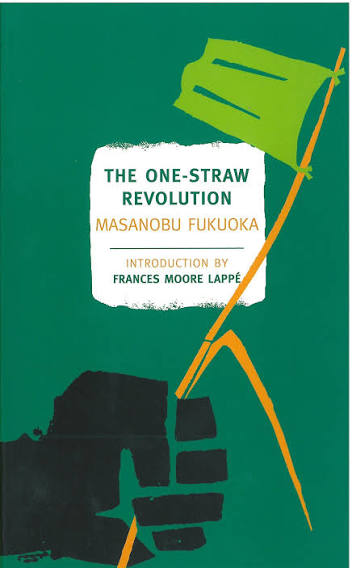
At the end of our dialogue I bring up my confusion over the implicit vs xplicit politics in my work and LK suggests I read The One-Straw Revolution by Masanobu Fukuoka as a useful example of how politics can be expressed through ways of working in implicit yet affective ways.
One Straw Revolution was written in the 1980s and completed when the author has retired from his citrus orchards and rice fields, though still living in the mountains and off the land he had farmed. Fukuoka makes a strong case for why capitalism cannot be the framework for responsible, practical agriculture: that post green-revolution agriculture, even in Japan’s reasonably progressive agricultural co-operative governance relies on the constant extraction of energy from the land. Which must be understood as resource stripping of top soil and all life and energy that circulates around it. His life experience shows another way to be on and in relation to the land whilst growing food, specific to his location and culture.
I have continued to find this reading useful in trying to position myself in relation to the subject of my future work, particularly in navigating how explicit to be about it and thinking about how from can be employed to do some of the work.
LK also suggested the following reading materials:
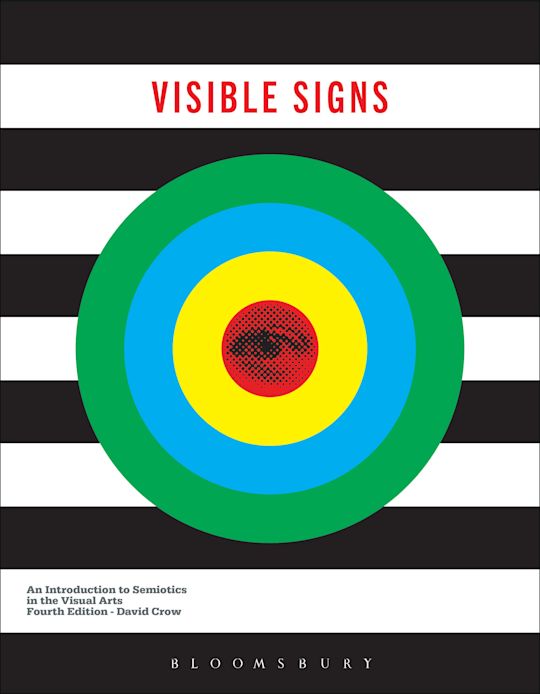
Visible Signs by David Crow as a soft entry to Eco’s Openwork concept in direct relation to contemporary visual culture and design. I found this to be a bit too light, but also welcomed the easy reading language and the how Crow shows how Openwork can work in contemporary design.
Doing Visual Ethnography by Sarah Pink as a reference on how images can convey knowledge in the context of ethnographic research. I found this book difficult to get into and only rad the introduction. I will try to come back to Pink as a reference though, as LK had positioned her as someone who uses image to start conversations as well as makes images as part of her research process. That aspect of Pink’s work feels important if I want to consider workshops further. Workshops where graphic design tools and processes are used to create a certain kind of attention in participants, that could allow graphic outputs to be made through that shift.
Image used as cover taken from Laura’s website.
Leave a Reply